Home / Articles
Why Minimal Corneal Tissue Removal Is a Better Option for Those with Thin Corneas
Home / Articles
Why Minimal Corneal Tissue Removal Is a Better Option for Those with Thin Corneas
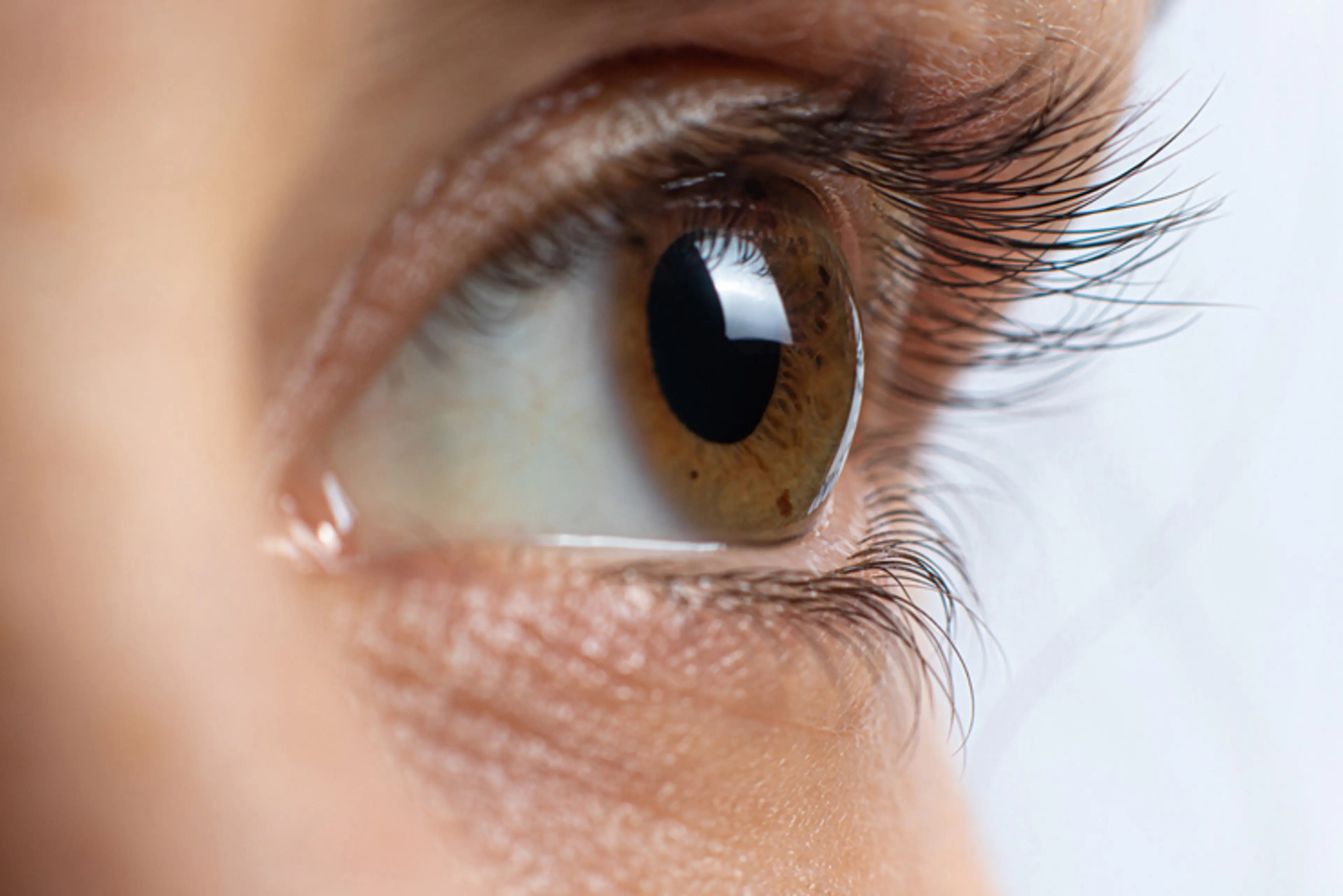
If you’ve ever pressed on a soap bubble, you’ll know that a little pressure on a thin surface can make all the difference between resilience and collapse. The same principle applies to our eyes. The cornea—the clear, dome-shaped window at the front of the eye—must stay strong and stable for vision to remain sharp. Yet for many people in Korea and beyond, the cornea is thinner than average. This matters enormously when choosing the right vision correction surgery.
At Gangnam Joeunnun Vision Clinic, under the expertise of Dr. Kim Jun-heon, we’ve spent years focusing on procedures like SMILE, LASIK, and LASEK while paying special attention to patients with thin corneas. For this group, minimal corneal tissue removal isn’t just a surgical preference—it’s the difference between strong vision for life and potential complications years down the road.
The cornea may seem simple, but it is a highly specialized tissue with unique biomechanics.
When we perform refractive surgery, we are reshaping this delicate dome. But as with any architectural structure, remove too much material, and the building becomes unstable. In thin corneas, the “margin for error” is already narrow.
Not everyone’s corneas are the same thickness. The average central corneal thickness is around 540–550 microns, but many patients we see in Korea fall closer to 480–500 microns. Why?
For patients with corneas below the standard safety threshold, conventional LASIK is often considered too risky. But that doesn’t mean vision correction is off the table—only that tissue preservation becomes the priority.
Why? Because:
Think of it like carving a sculpture from wood. You can shape it beautifully, but if you shave too close to the core, the structure won’t last.
Involves creating a corneal flap (usually 100–120 microns thick).
Removes additional tissue with an excimer laser to correct vision.
Excellent results for average corneal thickness, but risky for thin corneas due to the double impact of flap creation + ablation.
No flap—epithelium is temporarily removed to allow laser reshaping.
Removes less tissue than LASIK, but healing is slower and discomfort is higher.
Still not ideal if the cornea is significantly thin, though safer than LASIK.
Uses a femtosecond laser to carve a thin lens-shaped disc (lenticule) inside the cornea, which is removed through a 2–3 mm incision.
No flap required, preserving more corneal nerves and biomechanics.
Removes less overall tissue while maintaining stability.
Faster recovery than LASEK, with less risk of dry eye compared to LASIK.
At Gangnam Joeunnun Vision Clinic, SMILE has become the go-to option for patients with thinner corneas—not just because it works, but because it respects the cornea’s natural architecture.
It’s easy to be dazzled by immediate results. After all, most patients walk out of surgery with dramatically improved vision. But our job as surgeons is to think long-term.
When too much corneal tissue is removed, problems may not appear for years. Ectasia, though rare, is devastating: the cornea weakens and bulges, distorting vision and sometimes requiring corneal transplantation.
Minimal tissue removal reduces this risk. It preserves the cornea’s dome-like shape, maintains biomechanical integrity, and safeguards against future instability.
In plain terms: good vision today is important, but safe vision tomorrow is priceless.
Not long ago, a 27-year-old patient visited Gangnam Joeunnun Vision Clinic after being turned away by another center. His corneas measured only 490 microns—too thin for LASIK. He was understandably disappointed, thinking he had no safe options.
After advanced corneal imaging with our ZEISS diagnostic platform, Dr. Kim found his corneas were uniformly thin but otherwise healthy. Instead of LASIK, SMILE was performed with a conservative correction plan.
Today, he enjoys 20/20 vision, no complications, and—most importantly—a stable cornea with enough tissue preserved should enhancements ever be needed later in life.
This case illustrates a key point: thin corneas don’t mean surgery is impossible. They mean surgery must be strategic.
South Korea has one of the highest rates of myopia in the world, especially among young people. Long study hours, heavy digital device use, and urban living contribute to the epidemic. By the time patients reach their 20s, many are desperate to escape glasses and contact lenses.
However, because East Asians often have thinner corneas by default, the risk of unsafe surgery is higher if tissue preservation is ignored. This is why advanced clinics in Seoul emphasize minimally invasive techniques like SMILE and customized LASEK.
In our culture, where education and career performance are deeply tied to vision demands, ensuring both immediate clarity and lifelong safety is more than a medical decision—it’s a social priority.
If you’ve been told your corneas are thin, don’t panic. But also don’t rush into just any surgery. Ask your surgeon:
How much residual corneal thickness will remain after correction?
Which procedure removes the least tissue in my case?
Do I have signs of irregular thinning (e.g., early keratoconus)?
What technology will be used to measure and guide the surgery?
At Gangnam Joeunnun Vision Clinic, we answer these questions in every consultation. No two corneas are alike, and the right procedure is always tailored to the individual.
When it comes to thin corneas, less is more. Removing less tissue means preserving more of your natural corneal strength, keeping your vision safer, and giving your eyes a future.
Minimal corneal tissue removal—especially through modern techniques like SMILE—offers patients not just the joy of sharp, glasses-free sight but also the confidence that their eyes will remain stable for decades to come.
If you have been told your corneas are thin, it’s not the end of your vision correction journey. It’s simply a sign to choose carefully. At Gangnam Joeunnun Vision Clinic, Dr. Kim Jun-heon and our team specialize in these nuanced cases, combining ZEISS technology with years of surgical expertise to offer safe, tailored solutions.