Home / Articles
Why Laser-Assisted Cataract Surgery Is a Game-Changer for Cataract Treatment
Home / Articles
Why Laser-Assisted Cataract Surgery Is a Game-Changer for Cataract Treatment
For many people in Korea — whether it's a grandmother reading to her grandchildren, a business professional scanning documents, or a retiree navigating the morning market — vision is not just a sense, it’s a gateway to independence.
So when cataracts begin to cloud that vision, the impact can be profound.
At Gangnam Joeunnun Vision Clinic, we meet patients every day who’ve quietly tolerated blurred or hazy sight, unsure if surgery is worth it — or worried that the procedure will be painful or risky. But the reality is this: cataract surgery today is not what it used to be. In fact, with laser-assisted techniques, it's become one of the most precise and patient-friendly procedures in all of eye care.
This article explores how laser-assisted cataract surgery, powered by femtosecond laser technology, is changing the game — not just for surgeons, but for anyone hoping to regain crisp, confident vision. If you or a loved one is considering cataract treatment, here’s what you need to know about this modern breakthrough.
Cataracts are what happen when the natural lens inside your eye — the one responsible for focusing light — becomes cloudy over time. Imagine looking through a window that’s slowly fogging up. At first, you might just notice a little blur or glare from lights at night. But over time, that fog thickens, colors fade, and the world around you starts to lose its sharpness.
Medically speaking, a cataract is the opacification of the crystalline lens, often caused by protein changes in the lens that occur with age. But to most patients, it simply feels like your eyes aren't working the way they used to — even with glasses.
The most common cause is aging. In fact, cataracts are a natural part of the eye’s aging process. By the time most people reach their 60s or 70s, some degree of lens clouding is almost inevitable. But other factors can accelerate this process, including:
In Korea, where the population is aging rapidly and near work (like reading, smartphone use, and screen time) is a part of daily life from a young age, we’re seeing cataracts appear earlier than before, sometimes even in patients in their late 40s or 50s.
Globally, cataracts are the leading cause of reversible blindness — but thankfully, they are also one of the most treatable.
In Korea, national health insurance data shows that more than 400,000 cataract surgeries are performed each year. It's one of the most common procedures for seniors — yet many people still delay surgery because they assume the condition is just a part of getting older, or they fear the risks of eye surgery.
But the truth is: you don’t have to wait until your vision is severely impaired. Modern cataract surgery — especially with laser assistance — allows us to treat cataracts earlier, with greater safety and precision than ever before.
In traditional surgery, a handheld blade is used to make incisions and manually open the lens capsule. The surgeon then uses ultrasound to break up and remove the cataract.
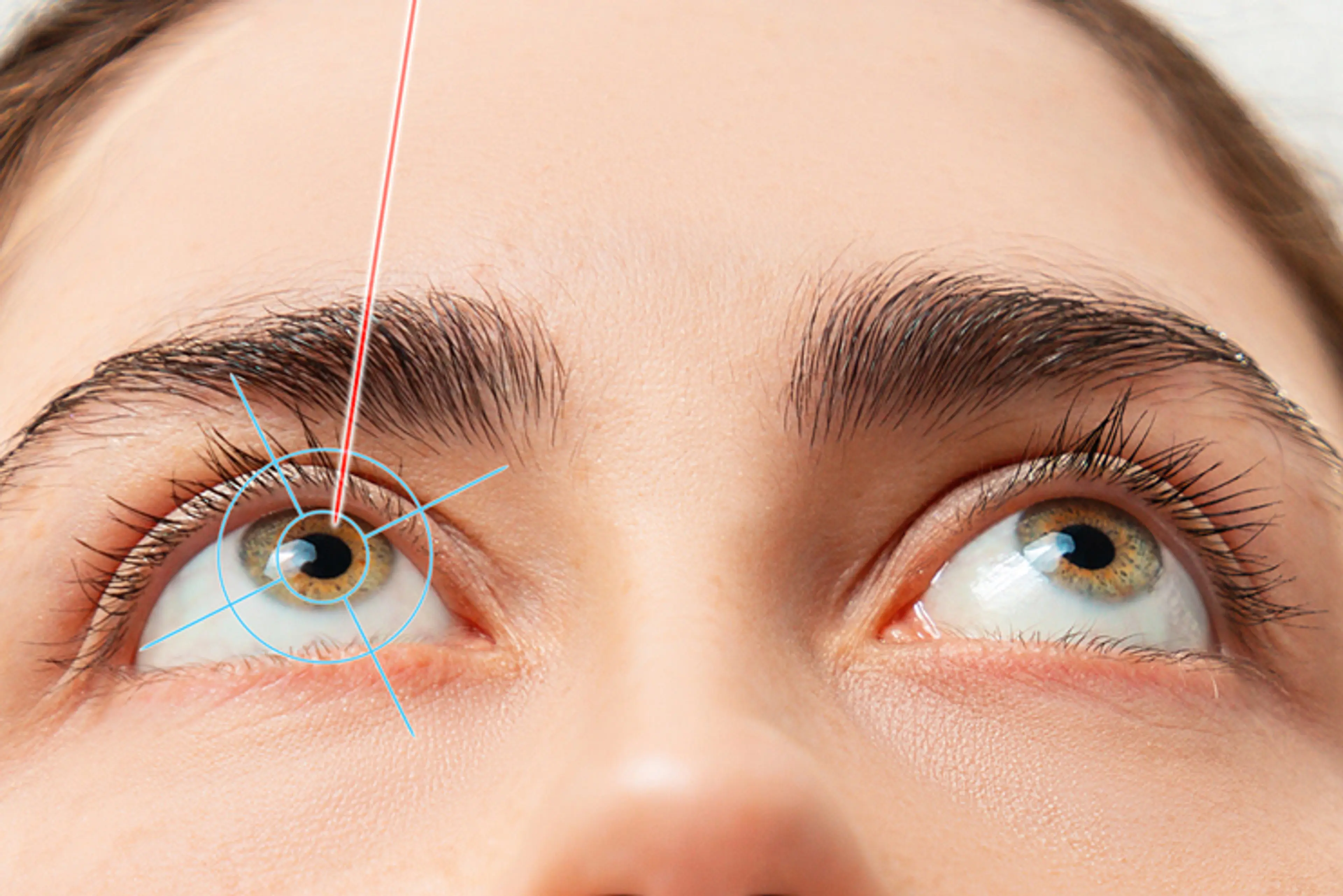
Laser-assisted surgery replaces many of these manual steps with femtosecond laser technology. This laser — measured in quadrillionths of a second — creates ultra-precise cuts and softens the cataract, making removal easier and more controlled.
Let’s break down what makes this approach so revolutionary — especially when compared to traditional methods.
The femtosecond laser creates exact incisions with micron-level accuracy. This means:
A perfectly centered and sized capsulotomy (the opening in the lens capsule)
Optimized placement of the intraocular lens (IOL)
Reduced risk of human error
This level of consistency is difficult to achieve manually — even by the most skilled surgeon.
“The precision of the laser allows us to tailor each surgery to the patient’s eye anatomy — which is critical for long-term visual clarity,” says Dr. Kim Jun-heon, founder of Gangnam Joeunnun Vision Clinic.
Because the laser softens the cataract before removal, less ultrasound energy is needed. This reduces trauma to the eye’s delicate tissues — particularly the cornea and surrounding structures.
Patients often experience:
Less inflammation post-surgery
Quicker recovery times
Lower risk of complications like corneal edema
This is especially important for patients with pre-existing conditions like dry eye or glaucoma.
Laser-guided incisions and lens positioning make it easier to achieve ideal outcomes — particularly when using premium intraocular lenses (IOLs) such as:
Multifocal IOLs (for both near and far vision)
Toric IOLs (for astigmatism correction)
Accurate placement = sharper vision, fewer halos, and better night driving.
Before the procedure, advanced imaging maps the eye’s unique structure in 3D. This data is then used to guide the laser during surgery.
This personalized approach means:
Each step is tailored to the patient’s exact eye
Greater predictability in surgical results
Enhanced comfort during the procedure
Think of it like getting a suit tailored — not off the rack, but custom-fit.
Laser-assisted procedures are typically quicker and more comfortable. At our clinic, patients often tell us they feel less anxiety when they learn the laser is doing the most delicate parts of the surgery.
“To be honest, I was scared of the idea of someone cutting into my eye,” one patient shared. “But knowing the laser handles that part put me at ease. And the recovery was so much smoother than I expected.”
In Korea, vision is closely tied to quality of life. Whether it's reading the news, texting family, or safely walking in busy city streets — clear vision is essential.
But many Koreans still delay cataract surgery out of fear or uncertainty. At Gangnam Joeunnun Vision Clinic, we believe education and trust are the best ways to overcome that.
Laser-assisted cataract surgery represents a modern, low-risk option — particularly for patients who want:
Premium visual outcomes
Reduced downtime
Enhanced long-term eye health
Let’s address a common concern: “Isn’t laser surgery more expensive?”
Yes — it usually is. But in many cases, the added precision and potential for better visual outcomes make it a wise investment, especially if you’re choosing premium lenses or hoping to reduce dependence on glasses after surgery.
Some patients see it as a one-time investment in lifelong vision. And when you consider the role your eyes play in your independence and safety, that investment often pays off in daily life.
If you're unsure, speak with your surgeon. At our clinic, we help patients compare options and understand what’s right for their lifestyle and budget.
Not every patient needs laser-assisted surgery — but many can benefit from it. It’s especially suitable for:
Patients with astigmatism
Those opting for multifocal or toric IOLs
Individuals with complex eye anatomy
Patients looking for premium results with less risk
A comprehensive eye exam can determine if you're a good match.
Cataracts don’t arrive overnight — and for many people, the decision to seek treatment doesn’t either. But here’s the truth: clear, vibrant vision is more than possible, and safer than ever, thanks to laser-assisted cataract surgery.
With its precision-guided technology, reduced surgical trauma, and better visual outcomes, it represents a major leap forward in how we care for aging eyes. At Gangnam Joeunnun Vision Clinic, we’ve seen firsthand how this approach restores not just vision, but quality of life — with fewer risks and faster recovery.
If you’ve been putting off cataract surgery, or if you’re simply curious about your options, take the first step. Your eyes deserve expert care, and your vision deserves clarity.