Home / Articles
VisuMax LASIK vs. PRK: Which Is Better for Your Vision?
Home / Articles
VisuMax LASIK vs. PRK: Which Is Better for Your Vision?
Imagine waking up every morning with clear vision, no need for glasses or contact lenses. It’s a reality many people achieve through LASIK or PRK, two of the most popular vision correction procedures available today. But which one is right for you? In this article, we’ll compare VisuMax LASIK and PRK—two advanced, laser-based treatments that reshape the cornea to correct refractive errors like nearsightedness, farsightedness, and astigmatism. While both procedures have proven success rates, they differ in how they’re performed and the recovery process. If you’re exploring vision correction surgery, understanding the differences between VisuMax LASIK and PRK can help you make an informed choice.
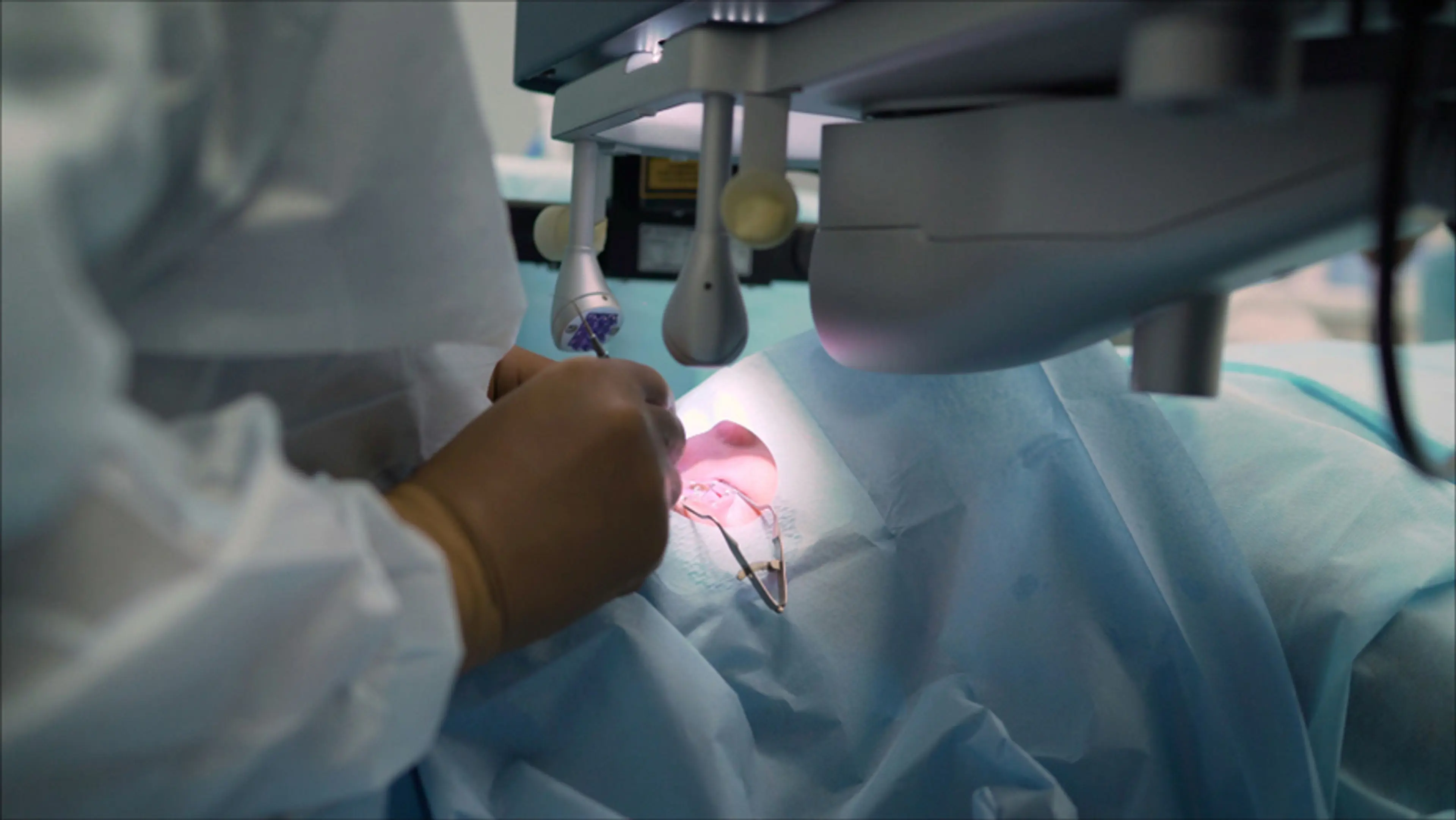
VisuMax LASIK is an advanced and highly precise form of LASIK (Laser-Assisted in Situ Keratomileusis) surgery that uses cutting-edge femtosecond laser technology to correct refractive vision problems, such as nearsightedness (myopia), farsightedness (hyperopia), and astigmatism. Unlike traditional LASIK, which relies on mechanical blades to create a flap in the cornea, VisuMax LASIK uses a femtosecond laser, providing a higher level of precision and safety. This laser technology allows for incredibly accurate corneal flap creation, leading to fewer complications and faster recovery times.
At Gangnam Joeunnun Vision Clinic, we use the VisuMax laser system to perform LASIK procedures because of its precision and the superior outcomes it offers our patients. It’s ideal for individuals looking for a fast, minimally invasive, and effective way to eliminate or reduce their dependence on glasses and contact lenses.
The process of VisuMax LASIK begins with the use of the femtosecond laser to create a thin, precise flap in the cornea. The flap is carefully lifted, and an excimer laser is then used to reshape the underlying corneal tissue. This reshaping corrects the refractive error, allowing light to be properly focused on the retina for clearer vision. After the corneal reshaping, the flap is gently repositioned, where it naturally adheres without the need for stitches.
The precision of the VisuMax femtosecond laser ensures that the flap is uniform and smooth, which reduces the risk of complications that can sometimes arise with older LASIK technologies.
PRK, while also a laser-based procedure, is different from LASIK in how the cornea is treated. In PRK, instead of creating a flap in the cornea, the outer layer of the cornea (the epithelium) is gently removed to expose the corneal tissue. The laser is then used to reshape the underlying corneal tissue, correcting refractive errors. The epithelium naturally regenerates in a few days after the procedure.
Key Features of PRK:
Here’s a comparison of VisuMax LASIK and PRK based on key factors:
VisuMax LASIK is an excellent choice for most patients with healthy corneas, especially those looking for a quick recovery. If you have a busy lifestyle, want to reduce your dependence on glasses or contacts, and are not involved in high-impact activities that could cause flap complications, VisuMax LASIK may be the best option for you.
Key Advantages of Choosing VisuMax LASIK:
Quick recovery with minimal downtime.
Less discomfort post-surgery.
High precision and safety due to the advanced laser technology.
Suitable for patients with moderate to healthy corneal thickness.
PRK may be the better option for you if you have thin corneas or engage in high-impact sports or activities that could potentially dislodge a LASIK flap. Although the recovery time is longer, PRK is a great choice for those who want a safe and effective procedure without the risk of flap complications.
Key Advantages of Choosing PRK:
No risk of flap complications.
Ideal for those with thinner corneas or higher refractive errors.
Suitable for those with active or high-risk lifestyles.
Ultimately, the choice between VisuMax LASIK and PRK depends on your specific needs and lifestyle. At Gangnam Joeunnun Vision Clinic, we take a personalized approach to vision care. Dr. Kim Jun-heon, with his extensive experience in advanced refractive surgery, works closely with patients to assess their needs, evaluate the health of their eyes, and recommend the best procedure based on individual circumstances.
If you’re unsure which option is right for you, don’t hesitate to schedule a consultation. Our team will provide a thorough eye exam and discuss the benefits and limitations of both procedures in depth, ensuring that you make an informed decision that aligns with your vision goals and lifestyle.