Home / Articles
Understanding the Different Types of IOLs for Your Cataract Surgery
Home / Articles
Understanding the Different Types of IOLs for Your Cataract Surgery
Cataracts are one of the most common causes of vision loss worldwide, particularly among older adults. They occur when the natural lens inside the eye becomes cloudy due to aging, injury, or certain medical conditions. This cloudiness scatters light, making vision blurry, dull, or even double. When cataracts begin to interfere with daily activities such as reading, driving, or recognizing faces, cataract surgery becomes necessary.
Cataract surgery is a highly successful procedure that involves removing the cloudy natural lens and replacing it with an artificial intraocular lens (IOL). The primary goal is to restore clear vision, but the type of IOL implanted can also affect how patients see at different distances. With many types of IOLs now available, it is important for patients to understand their options. Selecting the right lens can significantly improve visual outcomes, reduce dependence on glasses, and enhance overall quality of life.
At Gangnam Joeunnun Vision Clinic, patients receive expert guidance to choose the best IOL tailored to their unique lifestyle and vision needs, supported by state-of-the-art technology and personalized care.
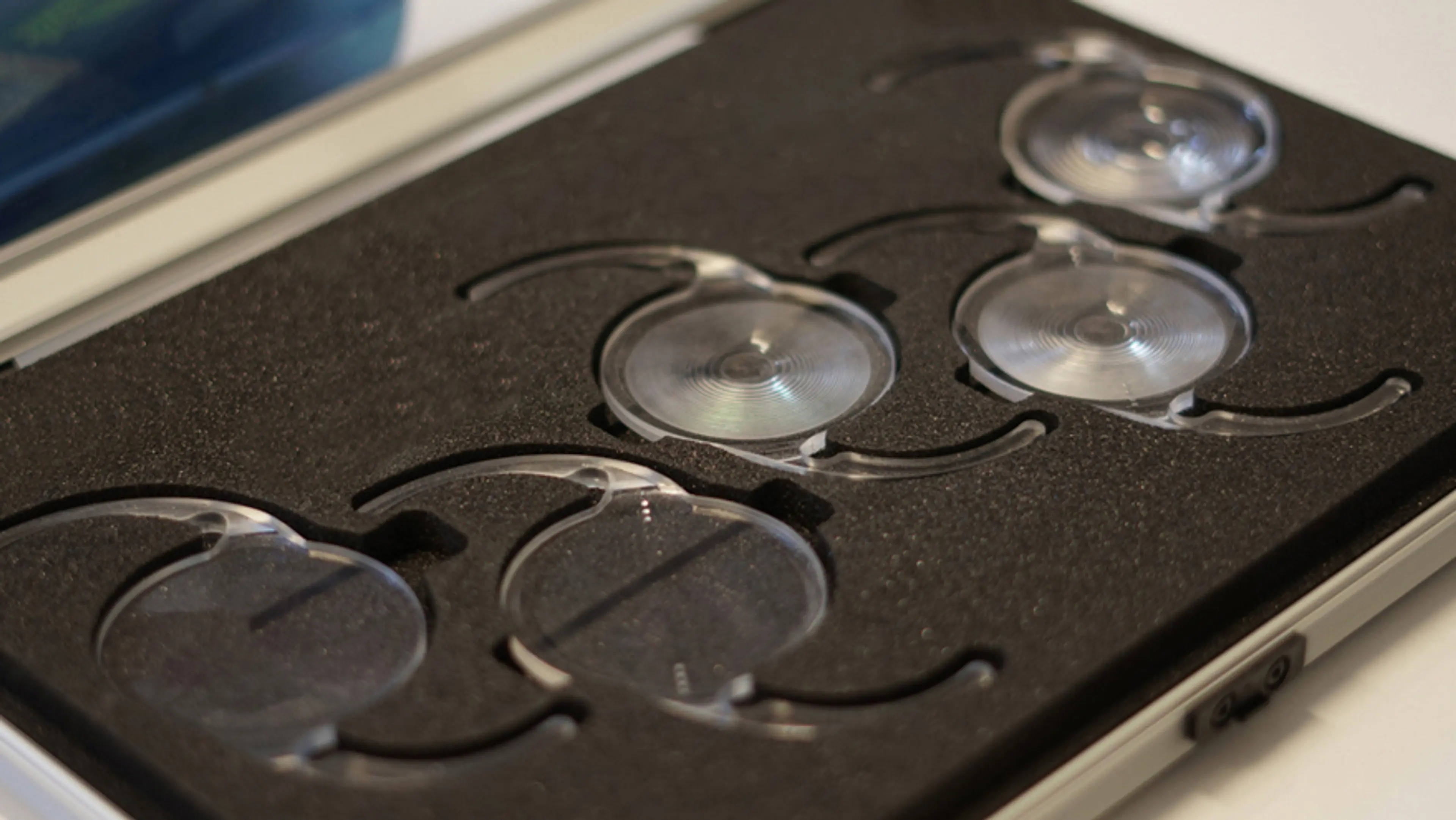
Intraocular lenses (IOLs) are artificial lenses surgically implanted inside the eye to replace the eye’s natural lens removed during cataract surgery. These lenses are typically made from durable, biocompatible materials such as silicone, acrylic, or hydrophobic polymers, ensuring long-term stability and safety within the eye.
The main function of an IOL is to focus light rays onto the retina, the light-sensitive layer at the back of the eye, to produce a sharp image. Unlike glasses or contact lenses that sit outside the eye, IOLs provide a permanent vision correction solution. Once implanted, an IOL requires no maintenance, cleaning, or replacement under normal circumstances.
The design of IOLs has evolved significantly over the years. Today’s lenses come with advanced optical properties tailored to meet a range of vision requirements. The correct selection and precise implantation of the IOL can reduce or even eliminate the need for glasses after surgery, improving convenience and quality of life.
Choosing the right IOL depends on multiple factors, including the patient’s lifestyle, vision goals, eye health, and tolerance for potential visual effects like glare or halos.
While monofocal lenses deliver sharp vision for their targeted distance, they do not correct for near or intermediate vision. As a result, most patients will still need to wear reading glasses for tasks such as reading books, using smartphones, or working on computers. This is a trade-off that many patients accept, especially if they already wear glasses for near vision before surgery.
Monofocal lenses are also a cost-effective option compared to premium IOLs and have a long track record of successful outcomes. Because of their widespread use, surgeons have extensive experience with monofocal IOL implantation, ensuring predictable results and low risk of complications.
For many patients, especially those with straightforward vision needs or limited budgets, monofocal IOLs provide a safe and effective path to restored vision after cataract surgery.
Multifocal intraocular lenses are an advanced option designed to provide clear vision at multiple distances—near, intermediate, and far. Unlike monofocal lenses, which focus light at just one distance, multifocal IOLs have concentric rings or zones that allow the eye to see clearly across different ranges. This means many patients with multifocal lenses can reduce or even eliminate the need for glasses for reading, computer work, and driving.
However, while multifocal IOLs offer increased freedom from glasses, some patients may experience side effects such as glare, halos, or reduced contrast sensitivity, especially in low-light conditions like nighttime driving. These effects tend to diminish over time as the brain adjusts to the new visual input, but candidacy and patient expectations must be carefully evaluated.
Ideal candidates for multifocal IOLs are generally those who desire a more active lifestyle without glasses and are comfortable with potential mild visual disturbances. At Gangnam Joeunnun Vision Clinic, thorough preoperative testing and personalized consultations help ensure that multifocal lenses are recommended to the right patients for optimal satisfaction.
Astigmatism is a common refractive error caused by an irregularly shaped cornea, leading to blurred or distorted vision. Standard monofocal or multifocal lenses cannot correct astigmatism on their own. That’s where toric IOLs come in—these lenses are specially designed to correct astigmatism while also addressing cataracts.
Toric IOLs have a unique shape that compensates for the uneven curvature of the cornea, providing clearer, sharper vision at the intended focal distance. They are often used in combination with monofocal or multifocal lenses depending on the patient’s overall vision needs.
For patients with astigmatism, toric IOLs can significantly reduce dependence on glasses or contact lenses post-surgery. The precise alignment of toric lenses is crucial during surgery, and advanced diagnostic tools like those used at Gangnam Joeunnun Vision Clinic help achieve excellent visual outcomes with minimal risks.
Accommodative intraocular lenses are designed to replicate the eye’s natural ability to change focus between near and far objects—a function called accommodation. Unlike multifocal lenses, which rely on multiple fixed focal zones, accommodative IOLs shift position or change shape inside the eye to adjust focus dynamically.
This innovative design allows patients to achieve a more natural range of vision, often with fewer side effects like glare or halos. Accommodative IOLs are particularly appealing for patients who want to maintain some degree of flexibility in focusing without fully relying on multifocal optics.
However, accommodative IOLs may not provide the same level of near vision sharpness as multifocal lenses and may have variable effectiveness depending on individual eye anatomy. At Gangnam Joeunnun Vision Clinic, specialists carefully evaluate each patient’s suitability for accommodative lenses based on lifestyle and visual demands.
Choosing the right intraocular lens is a highly personalized decision that depends on various factors, including your vision goals, lifestyle, eye health, and budget. Here’s a summary of considerations to guide the choice:
At Gangnam Joeunnun Vision Clinic, every patient undergoes a comprehensive eye examination and personalized consultation. This process includes discussing daily activities, vision priorities, and lifestyle factors to help select the most appropriate lens type.
A comparison chart or detailed explanation can be very helpful in understanding the benefits and limitations of each IOL type. Your eye surgeon will also explain any potential risks or side effects and set realistic expectations for postoperative vision.
The field of intraocular lenses has seen remarkable advancements in recent years. New materials and designs are continuously improving visual outcomes and patient satisfaction after cataract surgery. Premium IOLs now include enhanced optics that reduce common side effects such as glare and halos and improve contrast sensitivity, allowing for better vision even in challenging lighting conditions.
Customization is another major innovation. Surgeons can tailor IOL power and design based on detailed measurements of the patient’s eye, ensuring optimal fit and performance. Technologies like wavefront-guided and aspheric lenses further refine vision correction by minimizing optical aberrations.
At Gangnam Joeunnun Vision Clinic, state-of-the-art equipment including ZEISS VisuMax and LENSAR lasers enable precise diagnostics and laser-assisted cataract surgery, enhancing the safety and accuracy of IOL implantation. The clinic’s ongoing research collaboration with ZEISS also contributes to global advancements in lens technology and postoperative outcomes.
While intraocular lenses are generally very safe, like all surgical implants, they carry some risks and potential side effects. Common temporary effects include glare, halos around lights, or mild blurriness, especially with multifocal lenses. These symptoms often improve over time as the brain adjusts to the new visual inputs.
Rare complications include infection, inflammation, lens dislocation, or posterior capsule opacification (a clouding that can occur months or years after surgery). These are usually manageable with medical treatment or minor surgical procedures.
Choosing an experienced surgeon and undergoing thorough preoperative assessments reduce the risks significantly. At Gangnam Joeunnun Vision Clinic, patient safety is paramount, and advanced protocols ensure the highest standards of care and complication prevention.
Cataract surgery with IOL implantation is a minimally invasive, outpatient procedure typically lasting less than 30 minutes. It begins with numbing eye drops and mild sedation for patient comfort. The surgeon creates a tiny incision in the cornea and uses ultrasound or laser technology to break up and remove the cloudy natural lens.
Next, the chosen intraocular lens is carefully inserted through the same incision and positioned inside the eye. Modern techniques and equipment, such as femtosecond lasers and premium IOLs, allow for precise lens placement, which is critical for optimal vision correction.
Patients usually return home the same day, with most vision improvement noticed within a few days. The surgeon provides detailed postoperative instructions to promote healing and monitor progress.
Recovery after cataract surgery with IOL implantation is generally quick and straightforward. Most patients experience improved vision within 24 to 48 hours, though complete stabilization can take several weeks. It’s common to have mild discomfort, itching, or watery eyes during the first few days.
Patients should avoid strenuous activities, heavy lifting, and rubbing the eyes for at least a week to prevent complications. Eye drops are prescribed to reduce inflammation and prevent infection, and follow-up visits are scheduled to monitor healing.
At Gangnam Joeunnun Vision Clinic, personalized postoperative care ensures patients receive the support and guidance they need for a smooth recovery and the best possible visual outcomes.
Patient stories like these highlight the clinic’s commitment to tailored treatment plans. By carefully matching IOL types to individual lifestyles, many patients experience greater independence and confidence. Testimonials often emphasize the clinic’s compassionate approach and cutting-edge technology, reassuring future patients about the safety and effectiveness of the procedure.
Gangnam Joeunnun Vision Clinic stands out as a premier center for cataract surgery and IOL implantation in Seoul. Led by Dr. Kim Jun-heon, a highly experienced ophthalmologist and researcher, the clinic combines expert skill with the latest technology.
The clinic’s designation as a ZEISS SMILE Research Center and its partnership with global leaders in ophthalmic equipment ensure that patients receive cutting-edge treatment options. Each patient benefits from individualized care plans, detailed consultations, and long-term support throughout recovery.
Understanding the different types of intraocular lenses available for cataract surgery empowers patients to make choices that best fit their vision goals and lifestyles. From the reliable monofocal lenses to the innovative multifocal, toric, and accommodative options, today’s technology offers solutions tailored to diverse needs.
A comprehensive evaluation and personalized consultation are essential to selecting the most suitable IOL. With expert care, advanced technology, and a patient-centered approach, Gangnam Joeunnun Vision Clinic is a trusted destination for achieving clear vision and improved quality of life after cataract surgery.
If you or a loved one are considering cataract surgery, don’t hesitate to reach out to Gangnam Joeunnun Vision Clinic to explore your options and begin the journey toward clearer, brighter vision.