Home / Articles
Top 5 Reasons to Choose Phacoemulsification for Cataract Surgery
Home / Articles
Top 5 Reasons to Choose Phacoemulsification for Cataract Surgery
Cataracts are one of the most common eye conditions affecting millions of people worldwide, especially those over the age of 50. A cataract forms when the natural lens inside the eye becomes cloudy or opaque, blocking and distorting the light that passes through to the retina. This leads to symptoms such as blurred vision, glare from lights, difficulty seeing at night, and even double vision. Because cataracts develop gradually, many people may not realize their vision is deteriorating until the changes become noticeable enough to interfere with everyday tasks like reading, driving, or recognizing faces.
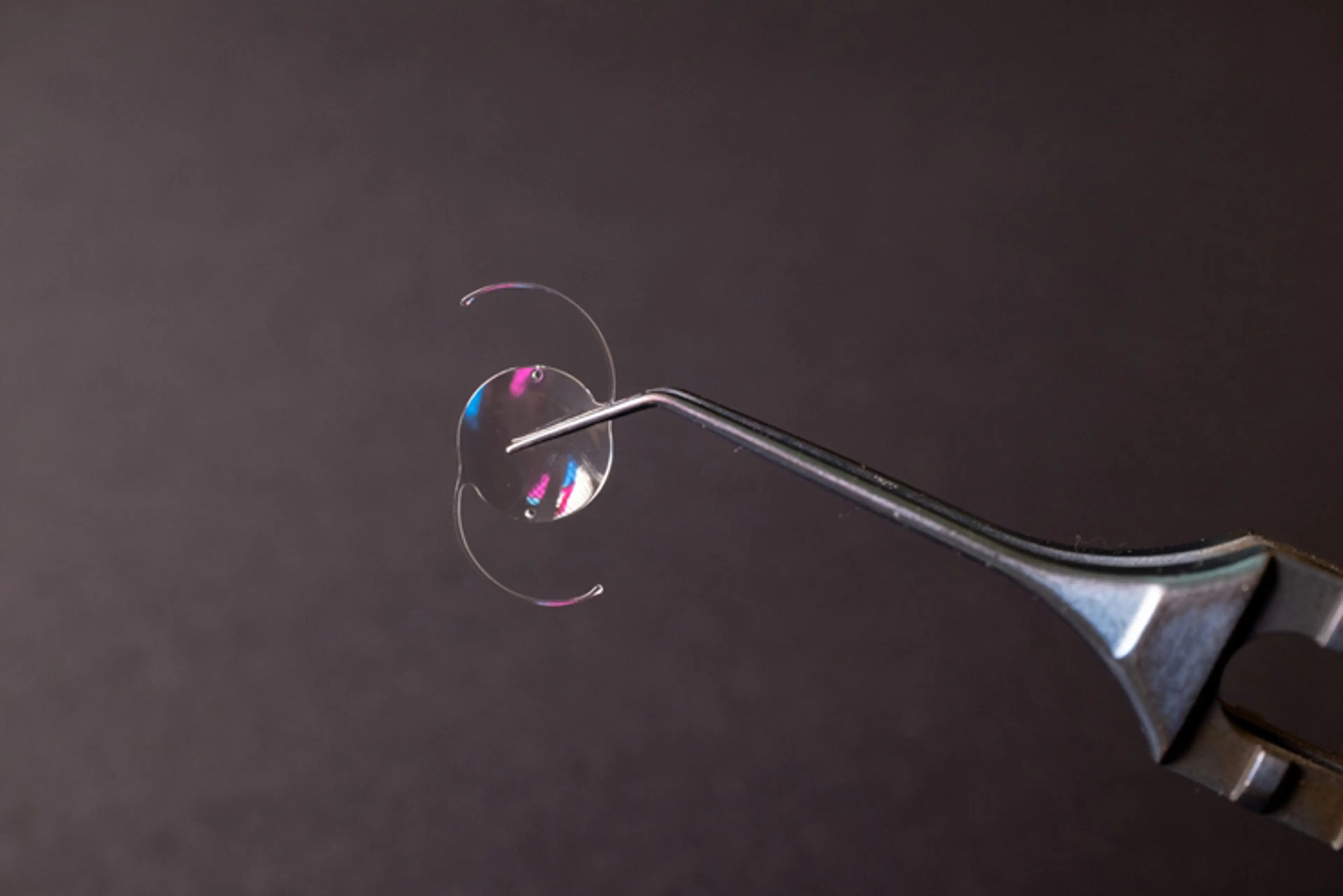
If left untreated, cataracts can severely impact quality of life by limiting independence and increasing the risk of accidents. Thankfully, cataract surgery offers a highly effective, safe, and lasting solution. The cloudy lens is removed and replaced with a clear, artificial intraocular lens (IOL), restoring clear vision and improving overall visual quality.
Over the past several decades, cataract surgery techniques have evolved dramatically. Among these, phacoemulsification has become the gold standard globally due to its remarkable combination of safety, precision, and quick recovery. This article will walk you through the top five reasons why phacoemulsification is the preferred method for cataract surgery today and why it may be the best choice for you.
Phacoemulsification is a minimally invasive cataract surgery technique that uses ultrasound energy to break up the cloudy lens inside the eye into tiny pieces. This is a significant advancement compared to traditional methods, which required larger incisions and manual extraction of the lens.
During the procedure, the surgeon makes a very small incision, typically less than 3 millimeters, at the edge of the cornea. Through this incision, a tiny ultrasonic probe is inserted. This probe vibrates at ultrasonic frequencies, gently emulsifying or liquefying the cataract. The resulting tiny fragments are then carefully suctioned out through the same probe. Once the cataract is removed, the surgeon implants a clear intraocular lens (IOL) to replace the natural lens and restore focused vision.
Because the incision is so small, phacoemulsification causes minimal disruption to the eye’s natural anatomy. This translates into less inflammation, lower risk of infection, and faster healing times. The procedure usually takes less than 30 minutes and is performed under local anesthesia, meaning patients are awake but comfortable and pain-free throughout the surgery.
Smaller incisions mean less trauma to the eye. For patients, this often results in less pain during and after surgery, less swelling, and a much lower risk of complications such as infection or corneal damage. Another key benefit is that the small incision typically does not require stitches, which can be uncomfortable and prolong healing. Instead, the incision is self-sealing, closing naturally as the eye heals.
Because the surgery is gentler on the eye, surgeons can perform it with enhanced precision, allowing for more accurate removal of the cataract and precise placement of the intraocular lens. Patients frequently report that phacoemulsification feels less invasive and more comfortable than traditional cataract surgery.
The minimally invasive approach also reduces stress on the eye’s delicate structures, preserving vision quality and improving overall outcomes. This technique is especially beneficial for patients with other eye conditions or those who prefer a quicker return to their daily routines.
Another major reason to choose phacoemulsification is the remarkably fast recovery time it offers. Because the incision is so small and the procedure is minimally traumatic, the eye heals quickly—often within days rather than weeks. Most patients notice a significant improvement in vision as early as the day after surgery.
This rapid recovery means that patients can often resume normal activities, such as reading, working on a computer, or even driving, within just a few days. While individual healing times vary, many patients are back to their usual routines within a week. This quick turnaround is a huge advantage for people who cannot afford extended downtime due to work, family responsibilities, or lifestyle.
In contrast, traditional cataract surgery methods involved larger incisions and more manipulation of the eye, which could cause longer inflammation, irritation, and swelling. These factors extended the healing process and required patients to avoid strenuous activity or heavy lifting for several weeks.
Phacoemulsification is renowned worldwide for its exceptional success and safety record. Thanks to decades of technological improvements and accumulated surgical experience, this procedure boasts a success rate exceeding 95% in restoring clear vision. The precise ultrasound technique allows surgeons to effectively remove even the hardest cataracts without damaging surrounding eye tissues.
Safety is a top priority during phacoemulsification. Surgeons use advanced imaging and diagnostic tools to plan each procedure meticulously, ensuring that every step is tailored to the patient’s unique eye anatomy. This personalized approach minimizes risks such as infection, inflammation, or damage to the cornea or retina.
Moreover, the small incision size significantly reduces complications like astigmatism or wound leakage, which were more common with older methods. Phacoemulsification is typically performed under local anesthesia with sedation, reducing systemic risks and making it suitable for a wide range of patients, including the elderly or those with other health conditions.
Phacoemulsification not only removes the cloudy lens but also allows for the precise implantation of advanced intraocular lenses (IOLs), which significantly improve overall vision quality. Modern IOLs can correct refractive errors such as nearsightedness, farsightedness, and astigmatism, reducing or even eliminating the need for glasses after surgery.
This customized approach means patients can enjoy clearer, sharper vision at various distances—near, intermediate, and far—depending on the type of lens implanted. Some patients opt for premium multifocal or toric lenses, designed to enhance night vision and reduce glare, further improving daily comfort and activities like driving.
The accuracy of phacoemulsification ensures that these lenses are perfectly positioned within the eye, maximizing their effectiveness. Many patients report dramatic improvements not only in visual acuity but also in color perception and contrast sensitivity, which contribute to a more natural and vibrant view of the world.
At Gangnam Joeunnun Vision Clinic, our personalized diagnostics and cutting-edge technology enable tailored IOL selection and placement, helping patients achieve the best possible vision correction based on their lifestyle and needs.
Phacoemulsification continues to evolve thanks to ongoing advancements in surgical technology and research. The integration of femtosecond lasers, such as those offered by LENSAR and ZEISS VisuMax systems, has further refined the procedure by automating key steps like corneal incisions and lens fragmentation. This laser-assisted phacoemulsification improves precision, reduces surgical time, and enhances safety.
Moreover, innovations in intraocular lens materials and designs are offering patients better visual outcomes and greater durability. New-generation IOLs feature anti-reflective coatings and improved optics to reduce side effects like glare and halos, which were more common with older lens types.
Research from institutions like Gangnam Joeunnun Vision Clinic, which operates a ZEISS SMILE Research Center, contributes to global knowledge on optimizing cataract surgery outcomes. This leadership in innovation means patients at the clinic benefit from cutting-edge techniques and devices that are often unavailable elsewhere.
The combination of state-of-the-art technology and experienced surgeons ensures phacoemulsification remains the most effective and safest option for cataract removal worldwide.
Before undergoing phacoemulsification, patients undergo comprehensive pre-surgical assessments to ensure safety and optimal results. This process includes detailed eye exams, measurements of the cornea, retina, and intraocular pressure, and a full health evaluation to identify any potential risks or complicating factors.
These assessments help the surgeon select the most suitable intraocular lens and customize the surgical plan to the patient’s unique anatomy. Advanced imaging technology provides 3D mapping of the eye structures, aiding in precise incision placement and lens positioning.
Safety protocols at Gangnam Joeunnun Vision Clinic are rigorous, following international standards and guidelines. The surgical team employs strict sterilization measures and infection control practices to minimize risks during the procedure.
Patients are thoroughly informed about the process, potential risks, and post-operative care instructions to foster confidence and cooperation. This patient-centered approach emphasizes transparency and support, helping to reduce anxiety and promote successful outcomes.
Recovering smoothly after phacoemulsification cataract surgery involves proper post-operative care and ongoing patient support. At Gangnam Joeunnun Vision Clinic, patients receive clear, easy-to-follow instructions designed to promote healing and protect their eyes.
Immediately after surgery, patients may experience mild irritation, dryness, or sensitivity to light—normal symptoms that usually subside within days. Eye drops are prescribed to prevent infection and reduce inflammation. It is crucial to follow the dosing schedule closely to ensure optimal recovery.
Patients are advised to avoid rubbing the eyes, strenuous activities, heavy lifting, or swimming for a few weeks post-surgery to reduce the risk of complications. Wearing protective eyewear outdoors and during sleep helps protect the eye as it heals.
Regular follow-up appointments allow doctors to monitor healing progress, address concerns, and make any necessary adjustments to treatment. The clinic's patient-centered approach ensures every individual feels supported throughout the recovery process, with personalized care plans tailored to lifestyle needs and healing speed.
Phacoemulsification stands out compared to older cataract surgery methods like extracapsular cataract extraction (ECCE) or intracapsular cataract extraction (ICCE). While these traditional surgeries involve larger incisions and longer recovery times, phacoemulsification’s tiny incision significantly reduces surgical trauma and improves outcomes.
ECCE requires an incision of about 10-12 millimeters and manual removal of the cataract in one piece, necessitating stitches and extended healing. ICCE is even more invasive and rarely used today due to higher risks and slower recovery.
Phacoemulsification’s minimal invasiveness results in less corneal swelling, fewer complications like astigmatism, and a quicker return to normal vision. This technique also allows for the implantation of advanced IOLs with greater accuracy.
Due to these advantages, phacoemulsification has become the preferred choice globally, with many ophthalmologists recommending it as the safest and most effective cataract surgery option available.
Phacoemulsification has seen rapid global adoption and is now the dominant cataract surgery technique across North America, Europe, Asia, and beyond. Its combination of safety, efficiency, and excellent visual outcomes appeals to both surgeons and patients worldwide.
Advancements in technology and training have made the procedure more accessible, even in developing regions. International ophthalmology societies and healthcare organizations endorse phacoemulsification as the standard of care for cataract removal.
In South Korea, where technological innovation in ophthalmology is particularly advanced, clinics like Gangnam Joeunnun Vision Clinic have played a key role in popularizing and perfecting phacoemulsification. The clinic’s leadership in research, state-of-the-art equipment, and expert surgeons attract patients from all over the world seeking the best in cataract care.
Choosing where to have cataract surgery is just as important as the procedure itself. Gangnam Joeunnun Vision Clinic offers not only cutting-edge phacoemulsification surgery but also an exceptional patient care experience.
Led by Dr. Kim Jun-heon, a highly experienced ophthalmologist with over 16 years in the field, the clinic combines advanced diagnostics, personalized treatment plans, and one-on-one patient support. Every patient receives thorough consultations to understand their vision goals, medical history, and concerns.
The clinic’s use of premium technology—such as ZEISS VisuMax and LENSAR lasers—ensures procedures are conducted with maximum precision and safety. Multilingual support and a welcoming environment make international and local patients feel comfortable and confident.
Many patients have shared their success stories, praising the clinic for transforming their vision and improving quality of life. This combination of expert care, innovative technology, and genuine compassion makes Gangnam Joeunnun Vision Clinic a top destination for phacoemulsification cataract surgery.
It’s natural for patients to have questions and concerns before undergoing cataract surgery. Understanding what to expect can help ease anxiety and build confidence in the procedure.
Restoring clear vision through phacoemulsification has profound effects beyond eyesight. Improved vision greatly enhances independence, allowing patients to resume daily activities such as reading, cooking, and driving safely. This can reduce feelings of frustration or isolation often caused by poor vision.
Many patients report increased confidence and a better mood as they regain the ability to see the world clearly. Clear vision also supports safer mobility, reducing the risk of falls and accidents, which is especially important for older adults.
At Gangnam Joeunnun Vision Clinic, personalized care extends beyond surgery — patients receive guidance on lifestyle adjustments, eye care, and ongoing support to maintain eye health and enjoy a vibrant, active life.
Phacoemulsification is a highly advanced cataract surgery technique that offers minimally invasive treatment, faster recovery, high safety and success rates, superior vision quality, and the benefit of cutting-edge technology. These advantages make it the preferred choice for cataract removal worldwide.
Gangnam Joeunnun Vision Clinic stands out as a leading center for phacoemulsification surgery, combining world-class expertise, state-of-the-art equipment, and a patient-centered approach. Under the leadership of Dr. Kim Jun-heon, the clinic delivers personalized care and consistently excellent outcomes, earning the trust of patients locally and internationally.
If you or a loved one is considering cataract surgery, choosing phacoemulsification at Gangnam Joeunnun Vision Clinic ensures you receive the best care and the most advanced treatment available. Contact the clinic today to schedule a consultation and take the first step toward clearer vision and a better quality of life.