Home / Articles
The Recovery Process After IOL Implantation for Cataracts
Home / Articles
The Recovery Process After IOL Implantation for Cataracts
Imagine trying to take a photograph with a fogged-up camera lens. No matter how beautiful the scene in front of you, the picture comes out blurred, muted, and lifeless. This is exactly what living with cataracts feels like for many people. Over time, once-vivid colors turn dull, nighttime driving feels unsafe, and reading becomes increasingly frustrating.
Cataracts are a natural part of aging, but in modern Korea — where people are living longer and placing greater demands on their vision due to digital work and active lifestyles — the impact of cataracts is particularly significant. For many, vision is not just a sense; it’s independence, productivity, and quality of life.
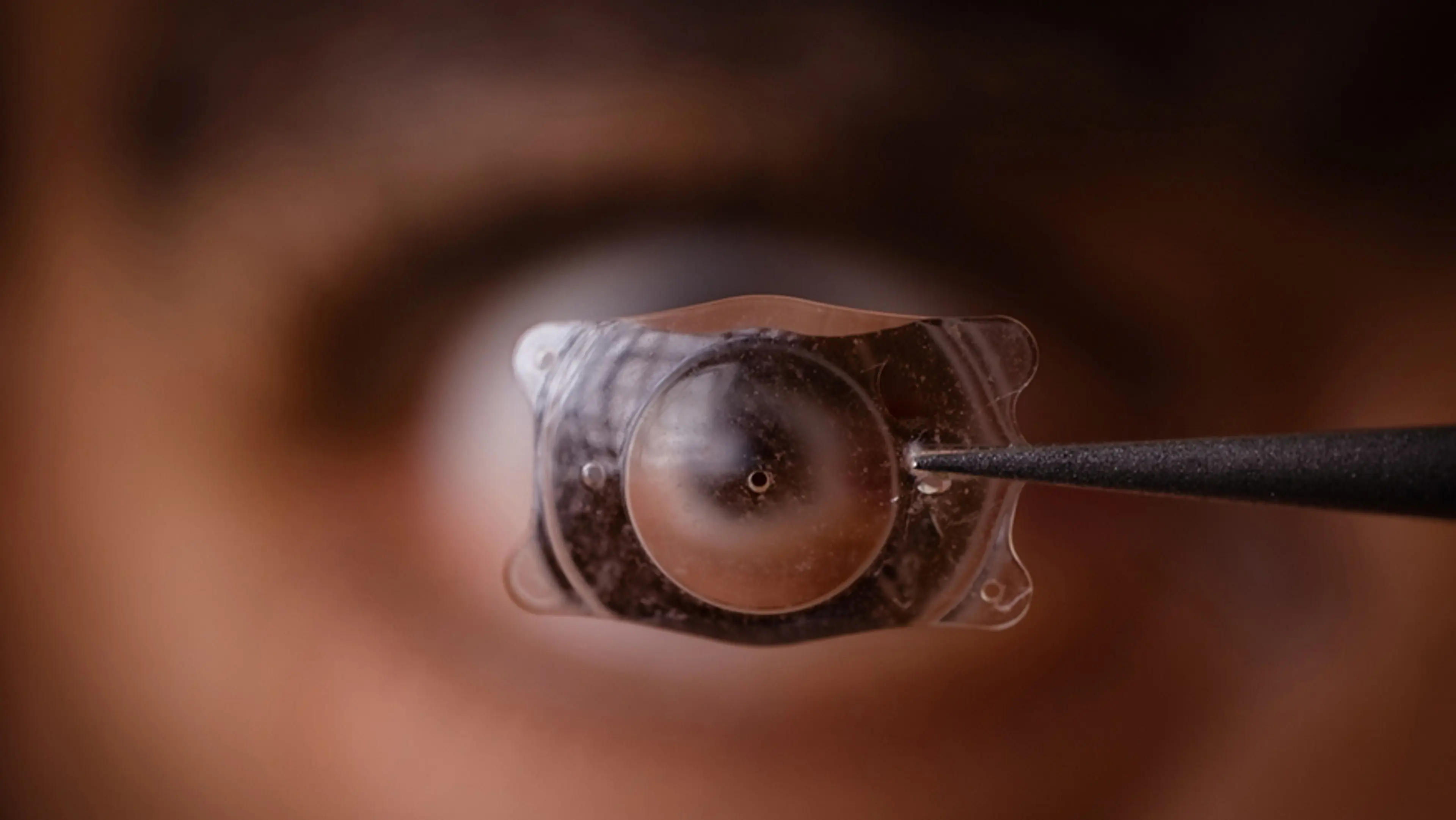
Fortunately, cataract surgery has evolved into one of the most refined and successful medical procedures worldwide. At its core is the intraocular lens (IOL) — a tiny but powerful replacement for the eye’s natural lens. Once a cloudy cataract is removed, the IOL restores clarity, much like swapping out a foggy camera lens for a new one.
But here’s what many patients underestimate: while the surgery itself takes less than 20 minutes per eye, the recovery process is what ensures long-term success. Healing, adaptation, and proper follow-up determine how well your new vision will serve you in the years to come.
At Gangnam Joeunnun Vision Clinic, led by ophthalmologist Dr. Kim Jun-heon, we have guided thousands of patients through this journey. In this article, we’ll walk you through what really happens after IOL implantation — from the first blurry hours to the lasting clarity that follows — so you know exactly what to expect.
However, the first few hours and days are a period of adjustment:
Dr. Kim often reassures patients that these sensations are not complications but rather the body’s natural response to healing. The key is patience and protecting the eye during this sensitive stage.
Think of the first week as laying the foundation for a strong recovery. Just as you wouldn’t test the strength of a newly built bridge before it sets, your eye needs this initial time to stabilize.
Daily activities like light reading, cooking, and using your phone are usually fine within a day or two — but in moderation. If your eyes feel strained, it’s your body telling you to rest.
By the second week, most patients notice remarkable improvements. Colors feel brighter, faces sharper, and the world less hazy. Many patients are surprised by just how much vision they had been unconsciously compensating for before surgery.
During this phase:
Depending on the type of IOL (monofocal, multifocal, or toric), patients may need temporary glasses for certain tasks.
At Gangnam Joeunnun Vision Clinic, we emphasize that this stage is not only about physical healing but also about neurological adaptation. The brain is remarkably flexible, but it needs time to adjust to the new way light enters the eye.
By one to three months post-surgery, the majority of patients feel fully comfortable. The IOL becomes part of the eye, and the clarity feels natural. But the timeline can vary depending on:
One often-overlooked point is that the brain plays as big a role as the eye. Just as it takes time to adjust to a new pair of progressive glasses, the brain must “learn” how to process the images from a new IOL.
The ultimate goal of cataract surgery is not only clear vision but also confidence in daily life. Here’s how recovery intersects with everyday activities:
In Korea, where long working hours and digital work are the norm, we stress the importance of conscious screen breaks even after successful cataract surgery.
Cataract surgery is often described as one of the safest and most effective medical procedures worldwide. Still, follow-up care is non-negotiable.
During check-ups, we evaluate:
Think of it like fine-tuning a camera lens after installation — small adjustments can make a big difference in clarity.
Even though cataract surgery is routine, patients often arrive with anxieties:
At Gangnam Joeunnun Vision Clinic, we find that explaining these truths upfront greatly reduces anxiety and helps patients focus on recovery.
Cataract surgery with IOL implantation is often described as life-changing — and rightly so. In less than an hour, years of cloudy, blurred vision can be restored to sharp clarity. But the surgery is only the beginning. True success lies in the recovery process: protecting the eye, adapting to the new lens, and staying connected with your care team.
At Gangnam Joeunnun Vision Clinic, we view recovery as a shared journey. Our role is not only to perform the procedure but to walk alongside you — answering questions, guiding healing, and ensuring that your new vision brings joy and confidence for years to come.
If you or a loved one are considering cataract surgery, take the first step by scheduling a consultation. The surgery may be quick, but the impact is lasting: a future where every detail of life comes back into sharp, vibrant focus.