Daily Activities After SMILE LASIK: Your Complete Recovery Guide
daily-activities-after-smile-lasik:-your-complete-recovery-guideAfter undergoing SMILE LASIK (Small Incision Lenticule Extraction), many patients are eager to return to their normal activities. As a relatively new and advanced form of laser eye surgery, SMILE LASIK offers an excellent alternative to traditional LASIK and LASEK procedures. While the surgery itself is minimally invasive, the recovery process still requires careful attention to ensure the best possible results. Understanding what activities are safe to resume and which should be avoided during recovery is key to a smooth healing process. This comprehensive guide will help you navigate through the post-surgery period, ensuring you get the best vision and experience throughout your recovery.
Showering After SMILE LASIK
showering-after-smile-lasikOne of the common questions patients have after undergoing SMILE LASIK is whether they can shower. Yes, patients can shower after surgery, but extra care must be taken to avoid getting water directly into the eyes during the first few days of recovery. Water and soap can irritate the eyes, so it's recommended to avoid splashing water in the eyes when washing your face or hair.
Dr. Kim Jun-heon, an expert ophthalmologist, advises patients to be cautious and avoid using any harsh chemicals around the eyes. Additionally, patients should avoid hot showers for the first few days as they can cause sweating and potential irritation around the eyes. If you do need to wash your face, using a gentle, damp cloth to wipe around the eyes is a safe alternative.
Driving After Surgery
driving-after-surgeryWhen it comes to driving after SMILE LASIK, Dr. Jun-heon emphasizes the importance of following your doctor's advice regarding when it’s safe to get back behind the wheel. Vision improves relatively quickly after SMILE LASIK, but this does not mean it’s safe to drive immediately after the procedure. Your eyes will need time to heal, and your vision may not be fully stabilized for a few days or even up to a week.
Typically, patients can expect to be able to drive within 24 to 48 hours after the procedure, but only if their vision has sufficiently improved and stabilized. It’s important to have someone accompany you to the clinic for your post-surgery checkup to ensure your vision is clear enough for driving. Avoid driving at night or in conditions with reduced visibility until you’re certain your vision is fully restored.
Computer Use and Reading
computer-use-and-readingAfter SMILE LASIK, many patients wonder about the safety of using digital devices or reading. While these activities can be resumed relatively quickly, it’s important to follow Dr. Jun-heon’s recommendation of taking regular breaks to avoid eye strain. The eyes may feel more sensitive after surgery, and prolonged screen time or reading can lead to discomfort, dry eyes, or blurred vision, especially in the first few days post-surgery.
Unlike traditional LASIK and LASEK, where the prolonged use of near-vision tasks such as reading or working on a computer can lead to dryness and inflammation, SMILE LASIK helps preserve more of the corneal nerves. This leads to a more stable tear film and reduces the likelihood of these common post-surgery symptoms.
To prevent eye strain, follow the 20-20-20 rule: every 20 minutes, take a 20-second break and look at something 20 feet away. This simple technique can reduce the chances of eye discomfort and help your eyes recover faster.
Why SMILE LASIK Leads to a Faster Recovery
why-smile-lasik-leads-to-a-faster-recovery
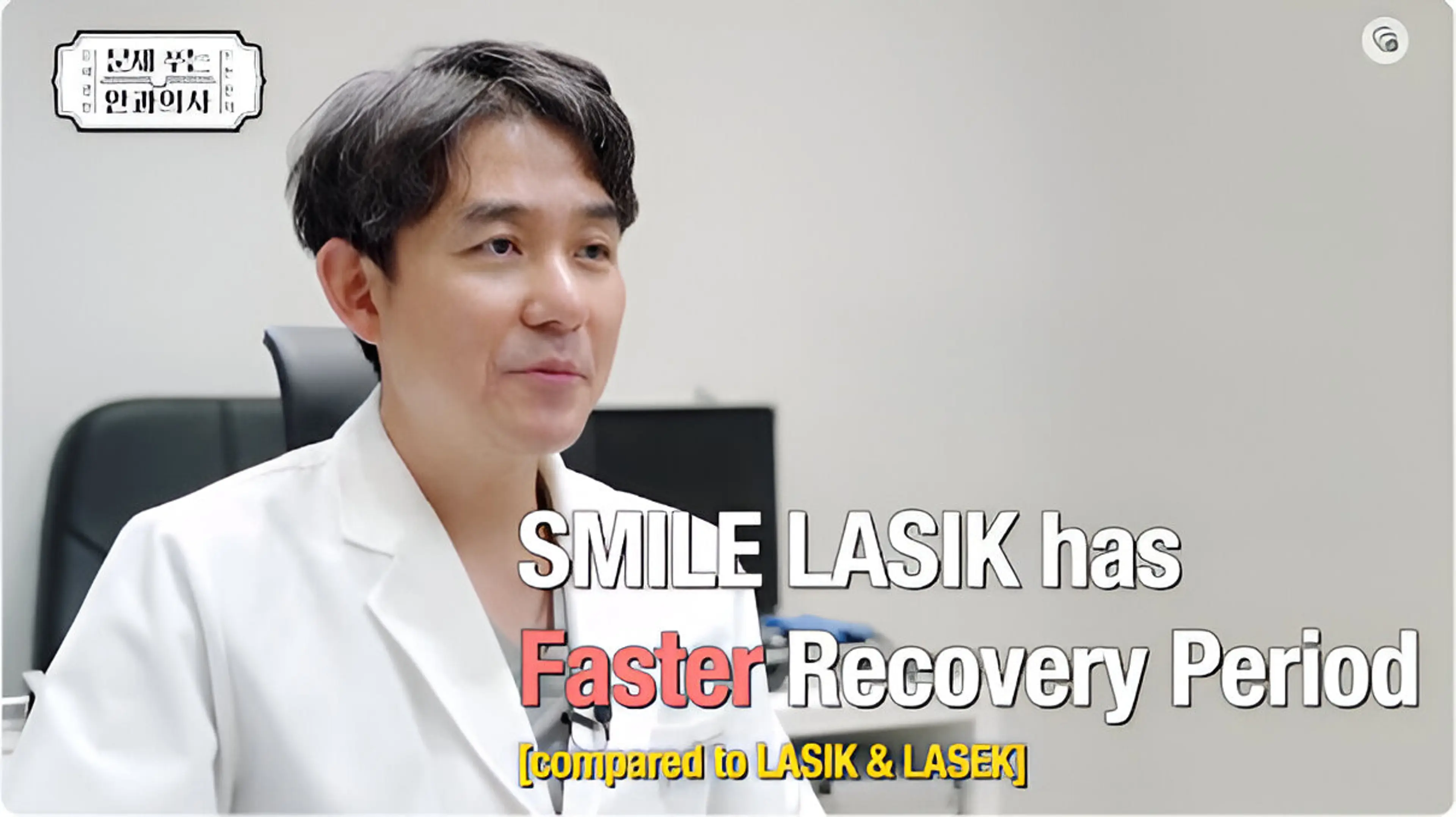
One of the major advantages of SMILE LASIK over traditional LASIK and LASEK is the quicker recovery time. This is largely due to the procedure’s minimally invasive nature. Let’s explore some of the key reasons why SMILE LASIK is often preferred for those seeking faster recovery:
1. Minimal Impact on Corneal Nerves:
1.-minimal-impact-on-corneal-nerves:Unlike traditional LASIK, which creates a large flap on the cornea, SMILE LASIK makes a small incision to remove a lenticule (a thin layer of tissue). This smaller incision affects fewer corneal nerves, leading to less disruption of the tear film. By preserving more of the corneal nerves, SMILE LASIK helps reduce dry eye symptoms, a common issue with other laser eye surgeries.
2. Reduced Risk of Dry Eyes:
2.-reduced-risk-of-dry-eyes:Patients who undergo SMILE LASIK typically experience fewer dry eye symptoms compared to those who have traditional LASIK or LASEK. This is because the procedure preserves more of the corneal nerves, which are responsible for stimulating tear production. As a result, patients tend to heal faster and are less likely to suffer from discomfort caused by dryness.
3. Quicker Return to Daily Activities:
3.-quicker-return-to-daily-activities:Since SMILE LASIK minimizes the risk of dryness or irritation, patients can usually return to their normal activities—such as reading, driving, or using digital devices—sooner than those who undergo LASIK or LASEK. Most patients report significant improvements in their vision within 24-48 hours, with complete stabilization typically occurring within a few weeks.
How Eye Strain Affects Recovery Post-Surgery
how-eye-strain-affects-recovery-post-surgeryWhile SMILE LASIK offers a faster recovery compared to other types of eye surgery, it’s still important to be aware of the impact of eye strain during the healing process. Eye strain is common after surgery and can hinder the recovery process if not managed carefully. Here's how eye strain can affect your recovery:
1. Eye Strain:
1.-eye-strain:After surgery, many patients experience eye strain due to focusing on nearby objects for prolonged periods, such as reading, using a computer, or even watching television. This strain can make the eyes feel tired, itchy, or uncomfortable, and can slow down the healing process if left unchecked.
2. Dry Eyes:
2.-dry-eyes:Eye strain often leads to dryness. During the healing process, your eyes may not produce enough moisture to stay comfortable, resulting in dry eyes. This can be exacerbated by overuse of digital devices or inadequate sleep. SMILE LASIK is designed to reduce the likelihood of dry eyes, but it’s still important to use lubricating eye drops as recommended by your surgeon.
3. Inflammation on the Corneal Surface:
3.-inflammation-on-the-corneal-surface:Excessive eye strain and dryness can lead to inflammation on the cornea. This inflammation may not only cause discomfort but can also affect the quality of your vision. Inflammation can delay the healing process and increase the risk of complications, so it’s crucial to take proper care and follow your doctor’s advice.
Advantages of SMILE LASIK
advantages-of-smile-lasik
Aside from a faster recovery time, SMILE LASIK has several advantages over traditional LASIK and LASEK. Let’s take a look at some of the key benefits of this procedure:
1. Fast Recovery:
1.-fast-recovery:One of the standout features of SMILE LASIK is its quick recovery time. Due to its minimally invasive nature, patients typically experience less pain, reduced inflammation, and faster healing. The procedure also eliminates the need for a large corneal flap, which can take time to heal in traditional LASIK surgeries.
2. Safe for Active Lifestyles:
2.-safe-for-active-lifestyles:For patients who lead active lifestyles, SMILE LASIK offers an excellent choice. Since the procedure involves a smaller incision and preserves more of the corneal nerves, there is less risk of complications such as dryness or irritation. This makes it easier for patients to return to physical activities and sports without worry.
3. Simple Post-Operative Care:
3.-simple-post-operative-care:Compared to traditional LASIK or LASEK surgeries, the post-operative care for SMILE LASIK is simpler and requires fewer restrictions. Patients are typically able to resume many of their regular activities shortly after the procedure. With fewer follow-up requirements and a shorter healing period, SMILE LASIK offers a more convenient recovery process overall.
The Importance of Follow-Up Appointments
the-importance-of-follow-up-appointmentsAfter SMILE LASIK, follow-up appointments are critical to monitor your healing progress. These visits allow your doctor to check for any complications, such as inflammation, and ensure that your eyes are healing properly. Dr. Jun-heon recommends attending all scheduled checkups, even if you’re feeling fine, as some issues may not be immediately noticeable.
During your follow-up appointments, your doctor will check your vision, ensure that there are no signs of infection or inflammation, and provide advice on any adjustments needed in your post-operative care routine.
Why Choose Gangnam Joeunnun Vision Clinic for SMILE LASIK?
why-choose-gangnam-joeunnun-vision-clinic-for-smile-lasikAt Gangnam Joeunnun Vision Clinic, we specialize in SMILE LASIK, offering world-class care and advanced technology for your vision correction needs. Under the expertise of Dr. Kim Jun-heon, our clinic is committed to delivering the best results through personalized care and attention.
Dr. Jun-heon’s vast experience and advanced techniques ensure that your surgery is performed with precision, leading to a quick recovery and excellent long-term results. Our clinic uses the latest SMILE LASIK technology to ensure minimal discomfort and faster healing times, so you can enjoy clear vision without the hassle of glasses or contacts.