Home / Articles
Personalized IOL Implants in Korea | Gangnam Joeunnun Clinic
Home / Articles
Personalized IOL Implants in Korea | Gangnam Joeunnun Clinic
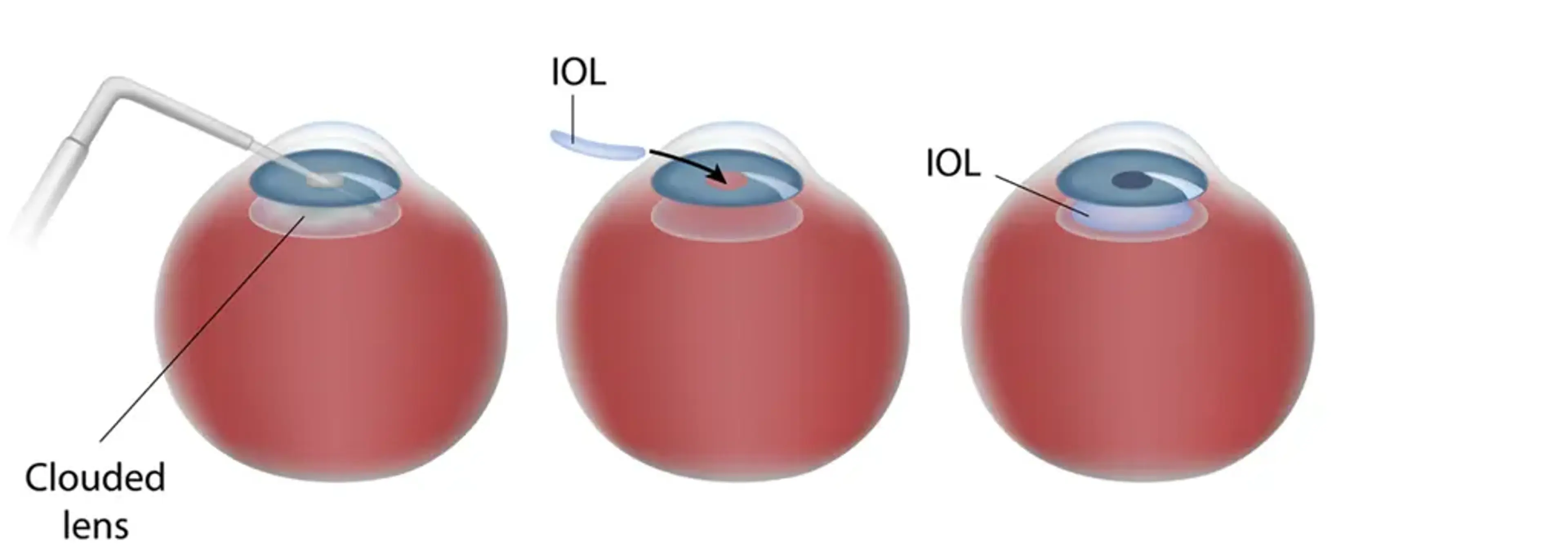
As we age, it's common for our vision to decline—especially due to cataracts, a condition affecting nearly 90% of individuals over 60 in Korea. Cataracts occur when the eye's natural lens becomes cloudy, gradually obscuring sight. Symptoms like glare sensitivity, poor night vision, and dulled colors can sneak up slowly but soon interfere with daily life, from reading to recognizing faces.
At Gangnam Joeunnun Vision Clinic in Seoul, ophthalmologist Dr. Minsoo Kim shares, "We see a growing number of patients who didn't realize how impaired their vision was until after their cataract surgery. It's often a transformative moment."
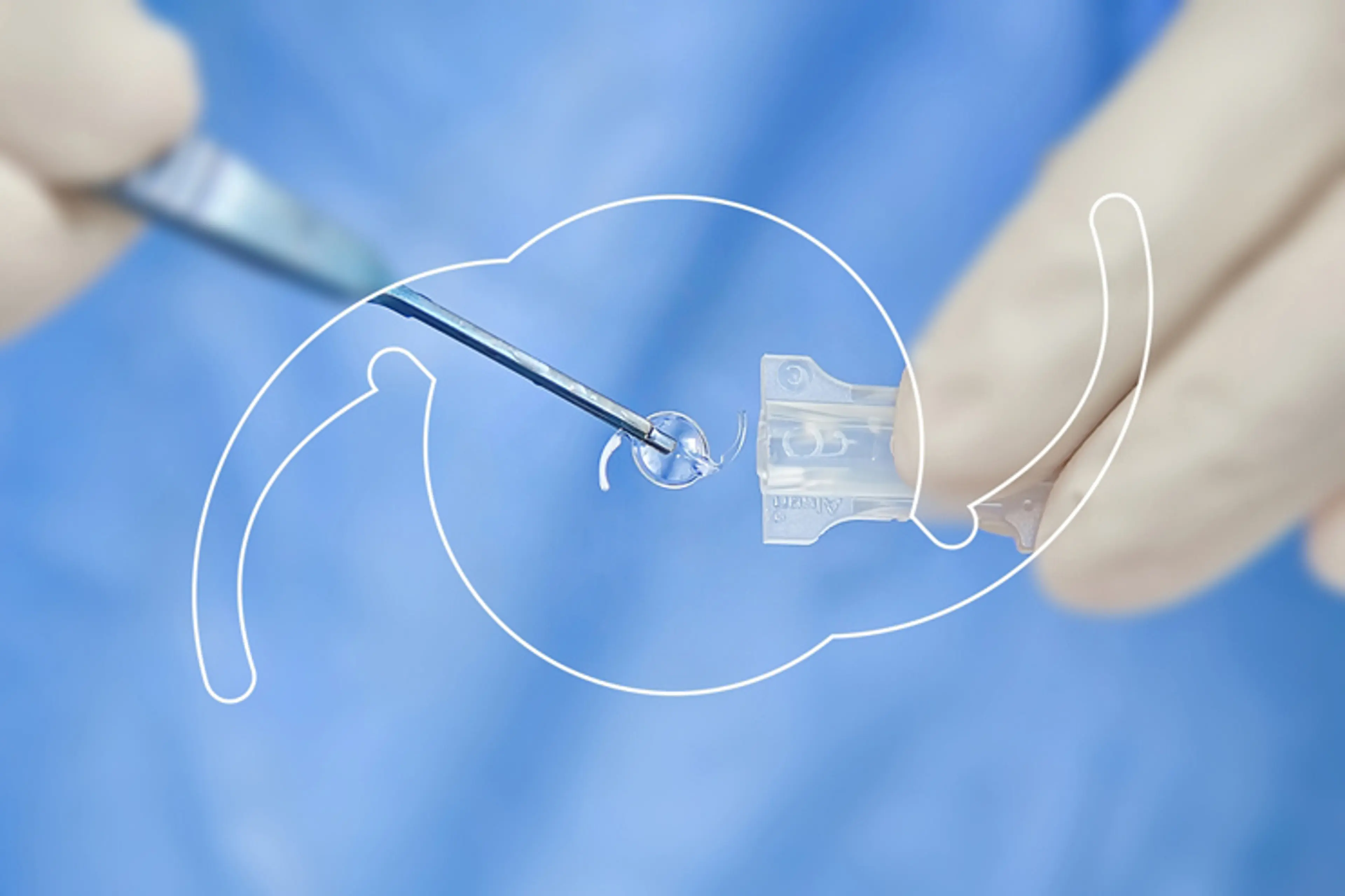
Cataract surgery has become one of the most successful medical procedures globally. The clouded natural lens is replaced with an artificial intraocular lens (IOL), which restores clarity and may even reduce or eliminate the need for glasses. What sets today's IOLs apart is the ability to tailor them to individual lifestyles—whether you’re a retiree who loves reading or a professional who drives at night.
According to clinic data from 2023, over 70% of Gangnam Joeunnun patients opted for premium lenses, reporting high satisfaction due to enhanced visual freedom and clarity. The clinic's focus on customized care ensures that patients receive lenses suited to their exact vision requirements.
The standard option, monofocals offer sharp vision at a single distance—usually far. These are ideal if you're comfortable using reading glasses. They're known for their high reliability and minimal side effects.
Designed for multiple focal points, these lenses help reduce reliance on glasses entirely. However, they can produce halos or glare in dim lighting. "We carefully assess each patient’s visual needs before recommending multifocals," says Dr. Kim. These lenses are popular among individuals who value visual independence.
For patients with astigmatism, toric lenses offer sharper vision by correcting corneal curvature. They’re often the go-to for patients who want better distance clarity without needing glasses. Toric lenses can be combined with monofocal or multifocal features for personalized correction.
Extended depth of focus (EDOF) lenses provide a smooth range of vision with fewer visual disturbances. Great for people who want to avoid glasses but are concerned about the side effects of multifocal lenses. These lenses are especially suitable for patients with active lifestyles who engage in a range of visual activities.
Beyond improved eyesight, IOL implants offer emotional and lifestyle upgrades. "I hadn’t realized how much I’d given up because of my poor vision," says Ms. Jang, a 67-year-old patient. "Now I can read my grandson's storybooks and join my friends on evening walks."
Additional benefits include:
Some studies show that over 90% of patients who receive premium IOLs are satisfied with their visual outcomes, often exceeding their pre-surgical expectations.
While IOL implants are generally safe, they’re not without potential drawbacks. Possible complications include:
Visual disturbances like halos and glare are more common with multifocal or EDOF lenses. However, these effects often subside as the brain adapts.
Cost is another consideration. Premium lenses may cost significantly more than standard monofocal lenses and are not always fully covered by health insurance. Gangnam Joeunnun provides transparent cost breakdowns and helps patients navigate insurance and financing options.
Cataract surgery at Gangnam Joeunnun is typically a 20- to 30-minute outpatient procedure using femtosecond laser technology. This approach ensures:
Pre-operative assessments use state-of-the-art imaging like optical coherence tomography (OCT) and corneal topography. On the day of surgery, local anesthesia ensures comfort, and most patients resume light activities within 24–48 hours.
Post-operative care involves:
Prescription eye drops for infection prevention and inflammation control
UV-protective eyewear
Follow-up appointments at 1 day, 1 week, and 1 month post-surgery
Most patients experience improved vision within a few days, although full visual stabilization may take a few weeks.
Choosing the right IOL isn’t just a medical decision—it’s a lifestyle choice. Here’s how the team at Gangnam Joeunnun guides patients through this process:
Dr. Kim explains, "We offer each patient a lens recommendation tailored to their hobbies, work environment, and even how much night driving they do."
Gangnam Joeunnun Vision Clinic is a regional leader in research and development. As a ZEISS SMILE Research Center partner, the clinic participates in trials exploring the next generation of smart lenses. These lenses may one day adapt to lighting conditions or even auto-adjust focus based on gaze direction.
Emerging technologies include:
Intraocular lens implants offer not only restored vision but also a renewed sense of independence and quality of life. By choosing an experienced provider like Gangnam Joeunnun Vision Clinic, patients can navigate their options with confidence and clarity.
The clinic’s emphasis on personalized care, leading-edge technology, and continued innovation ensures that patients receive top-tier outcomes. With over 16 years of surgical excellence and international recognition, Gangnam Joeunnun is a beacon for those seeking advanced cataract care in Asia.
As Dr. Kim emphasizes, "Our goal is not just to restore sight, but to tailor vision care so that our patients can truly enjoy their lives again."