Home / Articles
ICL Surgery: The Ideal Solution for Patients with Thin Corneas
Home / Articles
ICL Surgery: The Ideal Solution for Patients with Thin Corneas
Not everyone is a candidate for LASIK, LASEK, or SMILE. In fact, one of the most common reasons patients are turned away from traditional laser eye surgery is thin corneas. If you’ve been told your corneas are too thin for vision correction surgery, it’s understandable to feel discouraged. But the good news is that laser surgery is not the only option — and for many patients, it’s not even the best one.
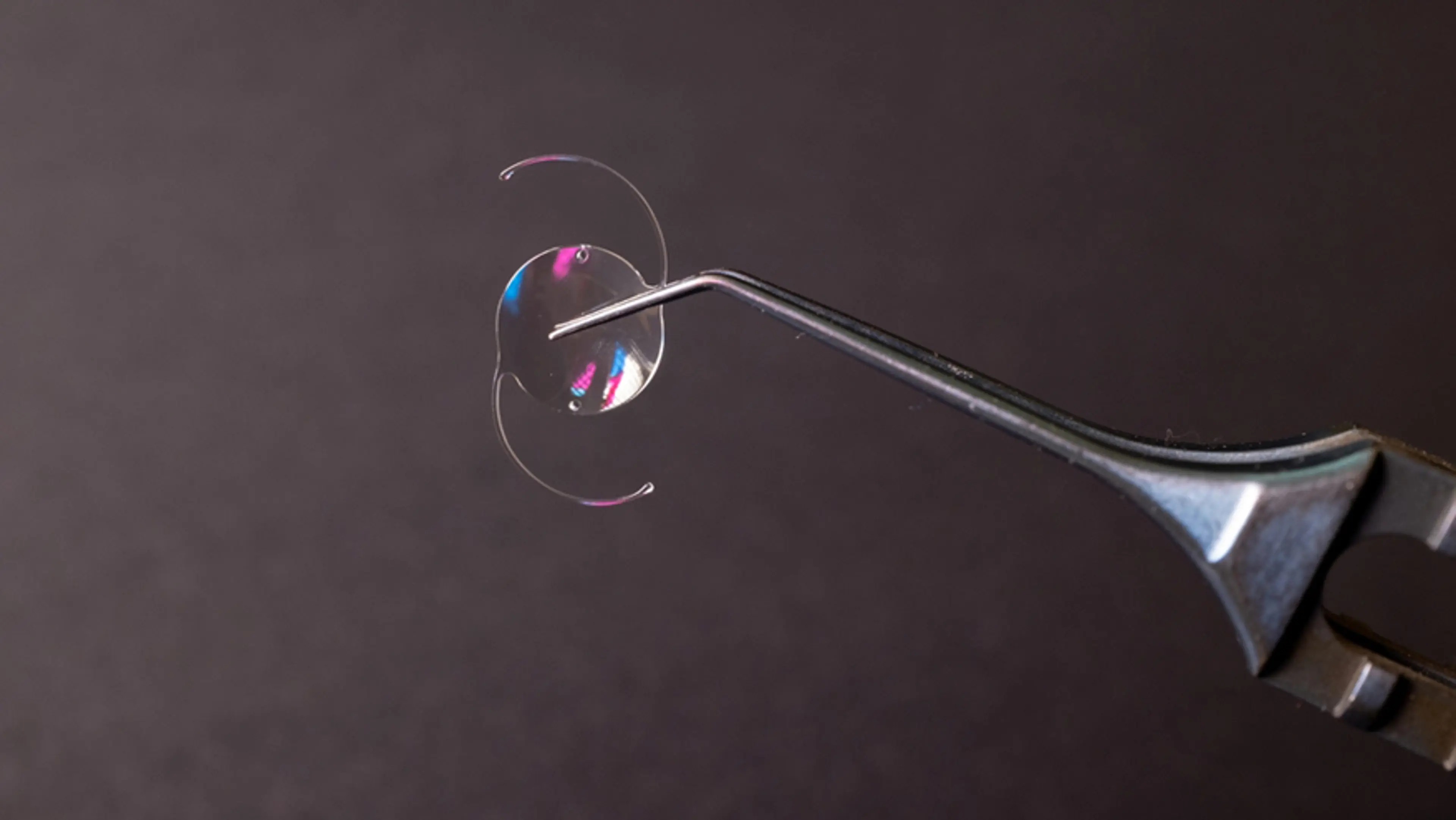
Implantable Collamer Lens (ICL) surgery offers a safe, effective, and long-term solution for patients with thin or irregular corneas. At Gangnam Joeunnun Vision Clinic in Seoul, we have seen ICL transform the lives of patients who previously thought clear vision without glasses or contact lenses was out of reach. This article explains what ICL surgery is, why it’s ideal for patients with thin corneas, and what you can expect from the procedure.
While procedures like LASIK, LASEK, and SMILE use lasers to reshape the cornea, ICL takes a completely different approach. Instead of altering the structure of your cornea, ICL involves placing a soft, biocompatible lens inside your eye — behind your iris and in front of your natural lens. This lens functions much like a permanent contact lens, offering sharp, stable vision correction without removing or reshaping any corneal tissue.
This key difference is what makes ICL such a valuable alternative for patients with thin corneas. Since no corneal tissue is removed, the structural integrity of the eye is preserved. This significantly reduces the risk of complications such as corneal ectasia, which can occur when laser procedures are performed on corneas that are too thin or unstable.
The cornea is the transparent, dome-shaped surface at the front of your eye. It plays a critical role in focusing light onto the retina, and its shape and thickness affect your visual acuity. Laser vision correction surgeries require a certain minimum corneal thickness to safely reshape the cornea without compromising its strength.
In South Korea, where screen use is high and myopia rates are among the highest in the world, many young adults seek vision correction in their 20s and 30s. However, it’s not uncommon for otherwise healthy individuals to be told that their corneas are too thin for laser procedures. This can happen even if their vision is stable and their eyes are otherwise healthy.
At Gangnam Joeunnun Vision Clinic, we often meet patients who have been turned away from LASIK or LASEK consultations. Many feel frustrated, especially after years of relying on glasses or contact lenses. For these individuals, ICL surgery can offer a second chance — and in many cases, a better outcome.
While ICL is ideal for patients with thin corneas, that’s just one of many reasons it’s gaining popularity. It is also a preferred option for patients with high myopia (very nearsighted prescriptions), significant astigmatism, or those concerned about dry eye symptoms after surgery.
One unique advantage of ICL is its reversibility. Unlike LASIK or LASEK, which permanently alter your cornea, the ICL lens can be removed or replaced if necessary — such as in the rare case of a complication or if you later need cataract surgery. This gives many patients added peace of mind.
Patients often report superior vision quality with ICL, especially in low-light settings. Night glare and halos — sometimes reported after laser surgery — are typically minimal with ICL. For people who drive at night or work in dim environments, this improved contrast sensitivity can make a significant difference in daily life.
Moreover, because the surgery does not interfere with the surface of the eye, ICL tends to avoid one of the most common post-LASIK complaints: dry eyes. By preserving the natural anatomy of the cornea, the procedure minimizes disruption to the corneal nerves responsible for tear production.
Another major benefit of ICL surgery is the preservation of corneal tissue. This becomes important not only for safety today but also for future treatments. As patients age, they may eventually develop presbyopia or cataracts. Because ICL does not thin or weaken the cornea, the eye remains structurally sound and better prepared for future surgical needs.
Additionally, patients who undergo ICL typically retain better corneal biomechanics. This means the natural strength and curvature of the eye are maintained, which can contribute to long-term stability and visual performance. This is a key advantage for younger patients in their 20s and 30s who are looking at decades of use from their eyes post-surgery.
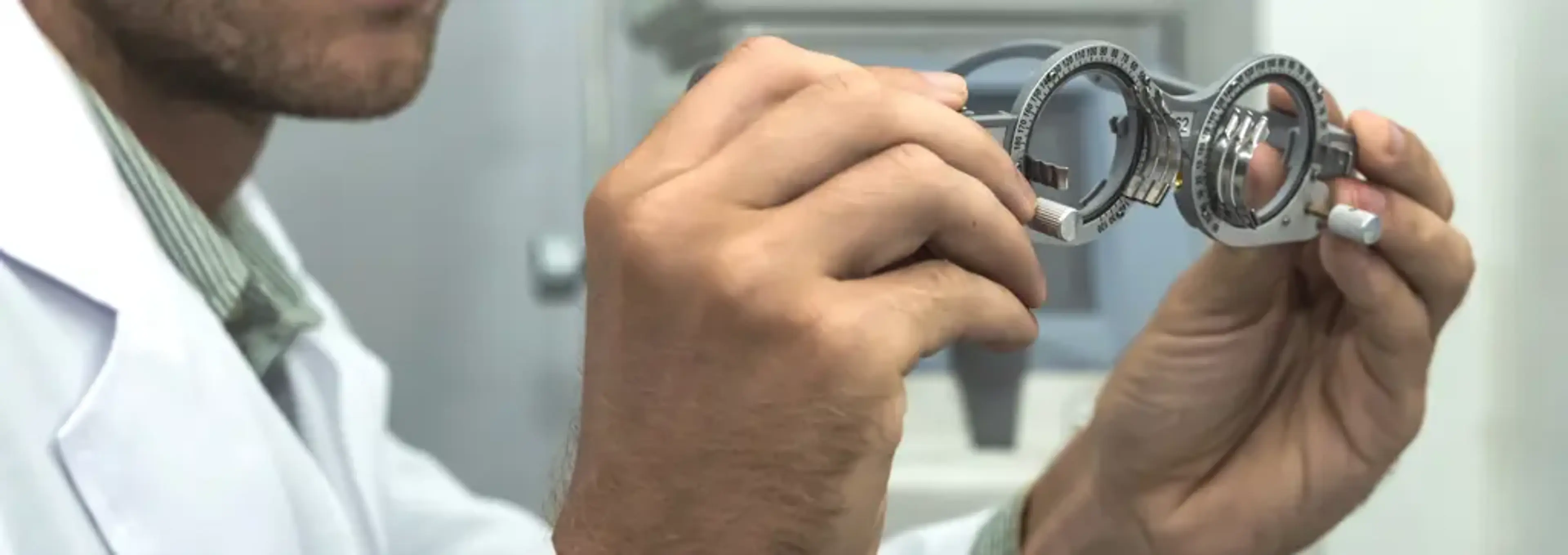
ICL surgery is an outpatient procedure performed under local anesthesia, and typically takes about 15 to 20 minutes per eye. At Gangnam Joeunnun Vision Clinic, the process begins with a detailed eye examination to determine candidacy. This includes measurements of the anterior chamber depth, corneal topography, and endothelial cell count, among others.
Once the custom lens is manufactured to your eye’s exact specifications, the surgery is scheduled. Using a tiny incision, the lens is gently inserted and positioned behind the iris. Most patients report little to no discomfort, and vision improvement is often noticeable within the first 24 to 48 hours.
Recovery is generally quick, with most patients returning to normal activities within a few days. Postoperative care includes antibiotic and anti-inflammatory eye drops for a short period, along with regular follow-up appointments to monitor healing and visual performance.
At Gangnam Joeunnun Vision Clinic, our experience with ICL extends to a wide range of patients — from young professionals in Gangnam seeking cosmetic freedom from glasses to international patients seeking personalized, high-precision eye care in Korea.
One of our recent patients, a 29-year-old graphic designer with thin corneas and -9.00 diopters of myopia, had been rejected by two other clinics for LASIK. After undergoing ICL surgery at our facility, she reported clear, comfortable vision within two days — with no signs of dry eye or night vision issues.
Another patient, a 42-year-old software developer, had both thin corneas and high astigmatism. ICL offered a solution that not only corrected his vision but preserved future surgical options such as cataract surgery later in life.
These are not rare exceptions — they are examples of the high satisfaction rates and excellent visual outcomes that ICL provides when carefully matched to the right candidate.
ICL surgery is typically recommended for adults between the ages of 20 and 45 with stable vision, moderate to high myopia, and adequate anterior chamber depth. Thin or irregular corneas do not disqualify you from ICL — in fact, they often make you a better candidate for this procedure.
However, not everyone is eligible. People with certain eye conditions, such as glaucoma or insufficient intraocular space, may need alternative treatment plans. That’s why a comprehensive evaluation with an experienced refractive surgeon is essential.
Choosing where to have your ICL procedure matters just as much as choosing whether to have it at all. Our clinic is located in the heart of Gangnam, Seoul, and led by Dr. Kim Jun-heon, a leading expert in refractive surgery with over 16 years of experience.
We utilize advanced ZEISS diagnostic and surgical technologies, ensuring each procedure is performed with maximum precision and safety. Our approach is grounded in personalized care, evidence-based medicine, and long-term outcomes — not just short-term fixes.
For international patients, we offer bilingual consultation support, customized care plans, and guidance throughout the pre- and post-operative journey.
Being told that you’re not a candidate for LASIK due to thin corneas is not the end of the road — in fact, it might be the beginning of a better one. ICL surgery is a highly effective, reversible, and structurally safe alternative that preserves your natural cornea while delivering excellent vision correction.
At Gangnam Joeunnun Vision Clinic, we are committed to providing tailored solutions for each patient’s unique eye condition. Whether you’re exploring vision correction for the first time or seeking alternatives after being turned away elsewhere, our team is here to help you see clearly — with care, confidence, and clinical precision.
If you're considering vision correction surgery, a consultation at Gangnam Joeunnun Vision Clinic is a great place to start. Let us help you explore whether ICL is the right solution for your eyes.