Home / Articles
How to Choose the Best IOL for Your Cataract Surgery: A Complete Guide
Home / Articles
How to Choose the Best IOL for Your Cataract Surgery: A Complete Guide
When people first hear they need cataract surgery, their initial reaction is often a mix of relief and anxiety. Relief — because surgery promises a clear, brighter world again. Anxiety — because the word “surgery” itself can sound daunting.
But here’s what many don’t realize: modern cataract surgery is not just about removing a cloudy lens. It’s about choosing the new lens that will guide your vision for the rest of your life — the intraocular lens, or IOL.
Think of it like replacing the lens in your favorite camera. You wouldn’t put a basic, one-size-fits-all lens on a professional-grade camera if you wanted crisp, beautiful photos. In the same way, your new IOL can be tailored to your daily lifestyle — whether you love night driving, spend hours reading, or enjoy scrolling through your smartphone.
At Gangnam Joeunnun Vision Clinic in Seoul, where cataract and refractive surgeries are a core specialty, we often tell patients: “The surgery removes the fog, but the lens you choose determines how sharp and comfortable your new world will look.”
In this guide, we’ll walk you through everything you need to know to make the right choice for your IOL — from the different types of lenses to the lifestyle factors that matter most.
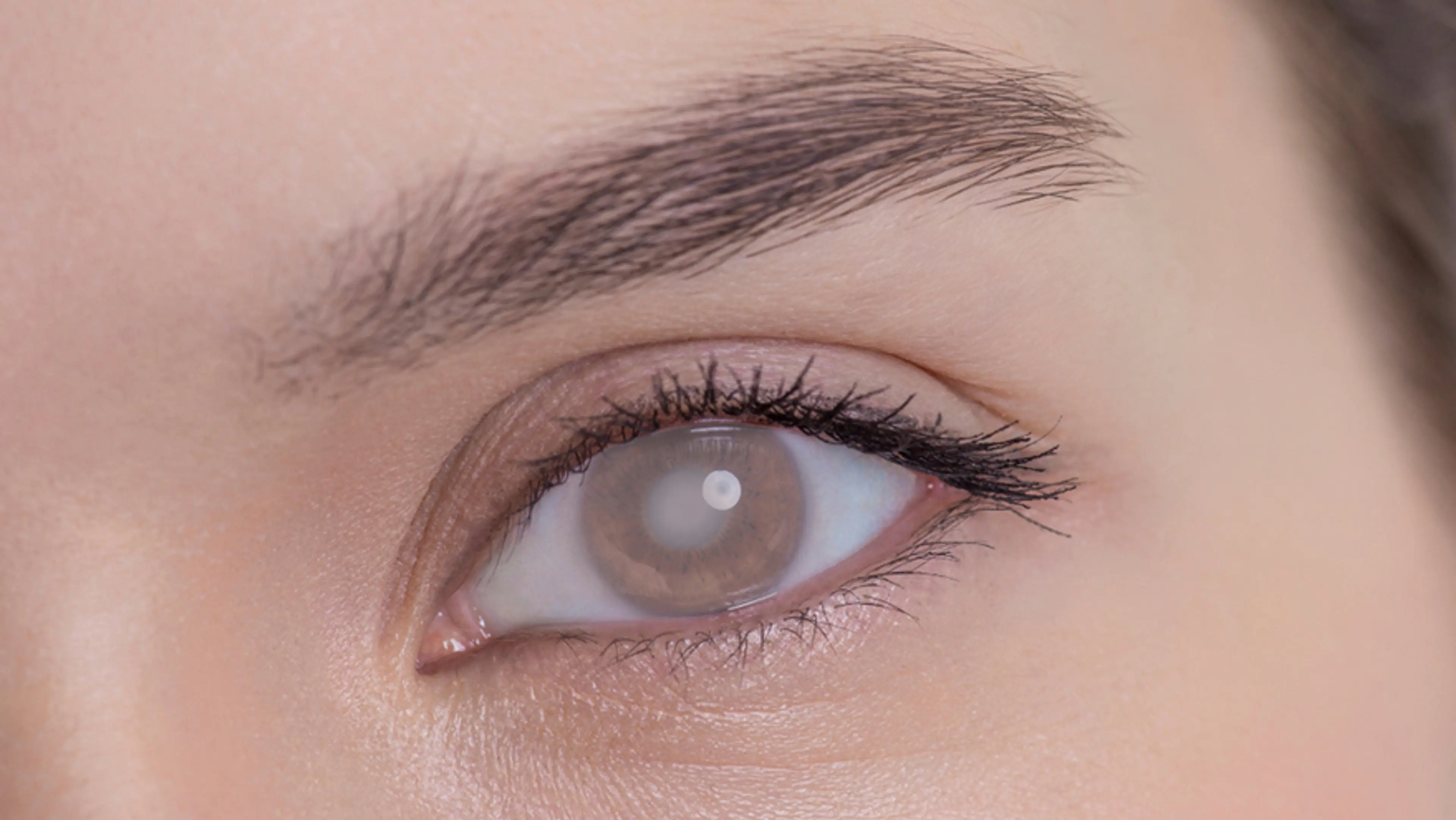
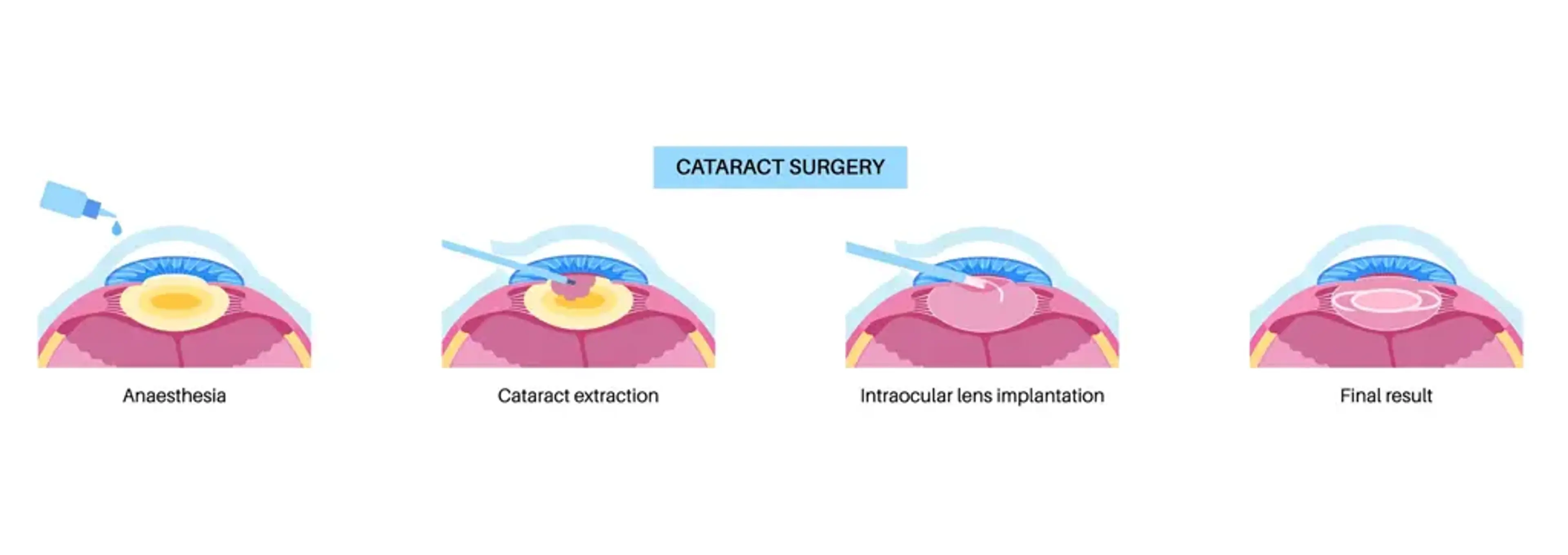
A cataract forms when the natural lens of the eye becomes cloudy, blocking light much like a foggy car windshield. During cataract surgery, this lens is removed and replaced with an artificial one.
But here’s the crucial part: not all artificial lenses are the same. The IOL you select will determine:
Whether you’ll still need glasses for daily tasks.
How comfortable your night vision will be (think glare, halos, or clarity).
Whether near tasks like reading or computer work are easy or still require lenses.
How adaptable your vision will be as you age.
In Korea, where people often balance screen-heavy jobs, late-night driving, and hobbies like golf or reading, choosing the right IOL can make a profound difference. It’s not an exaggeration to say this decision can change how you live each day after surgery.
Provides clear vision at one set distance (usually far).
Glasses are often still needed for reading or intermediate work.
Ideal for patients who don’t mind glasses and want maximum clarity at one distance.
Example: A retiree who mainly values clear distance vision for outdoor walks, television, or driving may do very well with monofocal IOLs.
Function like progressive glasses inside the eye.
Allow vision at multiple ranges: near, intermediate, and far.
Reduce dependence on glasses for daily activities.
Possible side effects: halos or glare in dim lighting.
Example: A patient who loves reading novels, teaching, and also driving occasionally may prefer the convenience of multifocal IOLs — accepting some mild nighttime glare as a trade-off.
Designed to stretch the range of clear vision without splitting light like multifocals.
Often more natural and less disruptive to night vision.
Some fine print may still require reading glasses.
Example: A business professional who spends hours on a laptop and smartphone but also drives home late at night may find EDOF lenses to be the most comfortable compromise.
Correct both cataracts and astigmatism simultaneously.
Provide sharp, stable vision — but require precise alignment during surgery.
Can be combined with monofocal, multifocal, or EDOF designs.
Example: Someone with high astigmatism who has struggled with distorted or blurry glasses may benefit enormously from a toric IOL customized to their corneal shape.
Here’s what matters most:
Pre-existing conditions like macular degeneration or corneal irregularities may limit which lenses will perform well.
Dry eye syndrome — very common in Korea — may also affect outcomes.
Some patients are more tolerant of halos, glare, or mild blurriness; others are not. Personality and visual expectations matter as much as medical considerations.
An IOL is designed to last a lifetime. Unlike glasses or contact lenses, you won’t be swapping it out casually. It’s worth choosing carefully now, considering not just your present lifestyle but also the one you’ll have in 10 or 20 years.
At Gangnam Joeunnun Vision Clinic, we see the consultation as the foundation of cataract surgery success. It typically involves:
What many people overlook is that the pre-surgery consultation can take longer than the surgery itself. This careful planning ensures the outcome matches expectations.
Even the best IOL requires precise placement. That’s why advanced surgical platforms and alignment tools are essential — particularly for toric or multifocal lenses.
At Gangnam Joeunnun Vision Clinic, collaboration with ZEISS technology ensures millimeter-level accuracy during lens implantation. Think of it as using GPS navigation for surgery — the path is mapped, guided, and double-checked for precision.
This precision is especially critical in Korea, where patients tend to have high expectations for visual outcomes — not just clarity, but also comfort for demanding lifestyles.
A 62-year-old teacher came to our clinic with cataracts clouding her vision and frustration over her reliance on reading glasses. After careful assessment, she chose an EDOF IOL.
Her words after surgery:
“It feels like someone wiped the fog off my glasses permanently. I can read my students’ papers, check my phone, and drive home after evening classes — all without reaching for glasses.”
Stories like hers highlight why the choice of IOL is not simply medical — it’s deeply personal.
Cataract surgery is one of the safest and most successful surgeries worldwide — but its success is not only about removing the cataract. It’s about restoring your vision in a way that feels natural, comfortable, and sustainable for years to come.
The intraocular lens you choose plays a central role in that journey. Whether monofocal, multifocal, EDOF, or toric, the right choice is the one that fits your eyes and your life.
At Gangnam Joeunnun Vision Clinic, we believe patients deserve more than a standard solution. With 16+ years of surgical expertise, advanced ZEISS-guided technology, and patient-centered care, we guide each individual to the IOL that will serve them best — today and into the future.