Home / Articles
How Phacoemulsification Makes Cataract Surgery Safer and More Effective
Home / Articles
How Phacoemulsification Makes Cataract Surgery Safer and More Effective
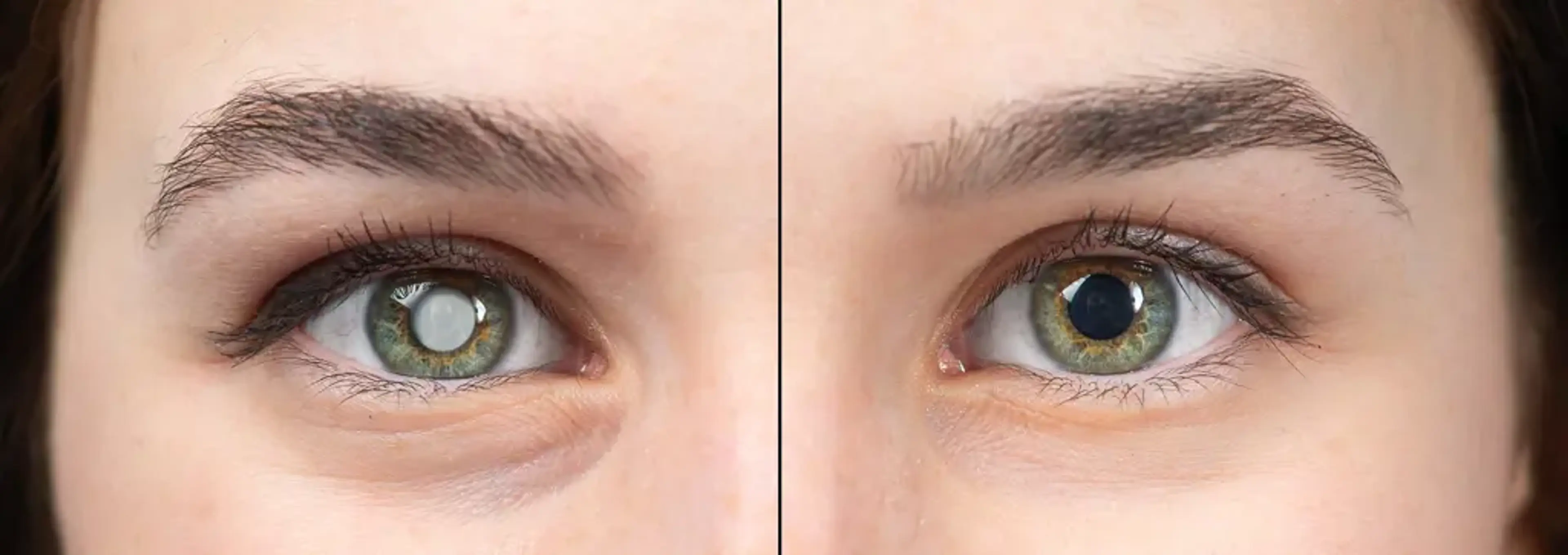
Phacoemulsification is a modern, advanced technique used to treat cataracts, a condition where the eye's natural lens becomes cloudy, impairing vision. The word "phacoemulsification" comes from two parts: "phaco," meaning lens, and "emulsification," meaning the process of breaking something into tiny particles or fragments. Essentially, phacoemulsification is a surgical method that uses ultrasound waves to break up the cloudy lens into tiny pieces, which are then safely removed from the eye through a small incision.
In this procedure, the eye surgeon creates a tiny incision, typically no more than 2-3 millimeters, and inserts a specialized ultrasonic probe. The probe emits high-frequency sound waves that break the cloudy cataract into small fragments. Once the cataract is fragmented, the pieces are gently suctioned out of the eye using a tiny device. After the cataract is removed, an intraocular lens (IOL) is typically implanted in place of the natural lens to restore clear vision.
What makes phacoemulsification stand out is its precision, minimal invasiveness, and rapid recovery time compared to older cataract surgery methods, such as extracapsular cataract extraction, which involved larger incisions and longer recovery periods. Today, phacoemulsification has become the gold standard in cataract surgery, offering excellent visual outcomes with reduced risks and discomfort for patients.
Phacoemulsification offers several distinct advantages that contribute to safer, more effective cataract surgery. Here’s a closer look at why it’s become the preferred method:
The traditional method of cataract surgery involved making a larger incision in the eye, which could leave the eye vulnerable to infection or complications. With phacoemulsification, the incision is much smaller, often requiring no stitches. This means less trauma to the eye, a lower risk of infection, and faster recovery times.
To put it simply, think of phacoemulsification like using a fine needle instead of a large knife. The more precise and controlled the incision, the easier the healing process is. Patients can typically return to their daily activities within a few days, compared to the weeks or even months of recovery time that was required after older methods.
Older cataract surgery methods involved more manipulation of the eye’s structure, which increased the risk of complications like infection, retinal detachment, and even vision loss. However, phacoemulsification’s smaller incision size and less invasive approach significantly reduce the chances of these complications.
Additionally, phacoemulsification allows for precise removal of the cataract, which is crucial in preserving the delicate structures inside the eye. This reduces the likelihood of damaging the cornea or lens capsule, leading to fewer post-surgical issues.
One of the standout benefits of phacoemulsification is the remarkably quick recovery time. Because the procedure is less invasive, most patients experience less swelling and discomfort, which means they can return to normal activities, including reading and watching TV, within a day or two.
At Gangnam Joeunnun Vision Clinic, we see firsthand how the reduced recovery time with phacoemulsification enhances our patients' lives. Many patients, particularly those who are older, appreciate the shorter downtime, which means they can regain their independence sooner.
Phacoemulsification is not just safer, but it’s also more effective in improving visual outcomes. After the cataract is removed, the natural lens of the eye is often replaced with an intraocular lens (IOL), which helps restore clear vision. These IOLs come in different types, including monofocal, multifocal, and toric lenses, depending on the patient's specific needs.
The precision with which phacoemulsification removes the cataract and places the IOL ensures that visual outcomes are optimized. Patients often report a significant improvement in their vision, with some even achieving 20/20 vision, or better, after the procedure.
Because the procedure involves smaller incisions, phacoemulsification typically results in less postoperative pain. Older methods often involved a greater degree of trauma to the eye, resulting in more discomfort and a higher risk of complications like eye inflammation. With phacoemulsification, the eye experiences minimal disruption, leading to faster healing and less pain post-surgery.
In addition, local anesthesia is used to numb the eye during the procedure, so patients remain awake but comfortable throughout the operation.
Phacoemulsification is not just a surgical technique; it is powered by sophisticated technology that ensures precision, safety, and optimal outcomes for cataract surgery. The core of this innovative procedure lies in its use of ultrasound energy to break down the cloudy lens and remove it with minimal impact on the eye. Here's an in-depth look at the advanced technology that makes phacoemulsification one of the safest and most effective methods for cataract surgery today.
At the heart of phacoemulsification is the ultrasound probe, a device that uses high-frequency sound waves to fragment the cataract. The probe is inserted into the eye through a small incision, typically no more than 2-3 millimeters in length. Once inside the eye, the probe’s tip vibrates at a high frequency, emitting ultrasonic waves that liquefy and break the cloudy lens into fine fragments.
The probe can be adjusted to control the intensity of the sound waves, allowing the surgeon to finely tune the energy to the specific needs of each cataract. This control is critical for ensuring that the surrounding eye tissues, particularly the cornea and lens capsule, are not damaged during the procedure.
One of the challenges of cataract surgery is maintaining the delicate balance of intraocular pressure while the lens is being removed. In phacoemulsification, fluidic control systems are used to manage the fluid within the eye during surgery, ensuring that the eye maintains its shape and that there is no excessive pressure on the eye structures.
These systems regulate the inflow and outflow of a sterile fluid, which is continuously pumped into the eye to keep it hydrated and prevent collapse during the procedure. The careful management of intraocular pressure also helps to prevent complications such as corneal swelling or damage to the retinal structures.
Modern phacoemulsification machines are equipped with energy modulation technology, allowing for precise control over the ultrasonic energy used to break up the cataract. The surgeon can adjust the frequency and intensity of the ultrasound waves to suit the specific type and hardness of the cataract.
Some newer systems use pulsed energy modes, where the energy is delivered in short, controlled bursts, rather than continuous waves. This minimizes the heat generated within the eye and ensures the tissue is handled with extreme care, reducing the risk of thermal damage to the cornea or other delicate structures.
When it comes to cataract surgery, the choice of clinic and surgeon can make a huge difference. At Gangnam Joeunnun Vision Clinic, we prioritize patient safety and satisfaction above all else. Here’s why so many patients in Seoul and beyond choose us for their cataract surgery: