Home / Articles
How Laser-Assisted Cataract Surgery Offers More Precision and Faster Recovery
Home / Articles
How Laser-Assisted Cataract Surgery Offers More Precision and Faster Recovery
In Korea, eyesight is more than a sense — it is a vital part of daily life. From the neon-lit streets of Gangnam to the quiet pages of a novel read in a café, clear vision shapes how we connect with the world around us. Yet, as many people in their 50s, 60s, and beyond know, cataracts often creep in silently, blurring the edges of life’s details.
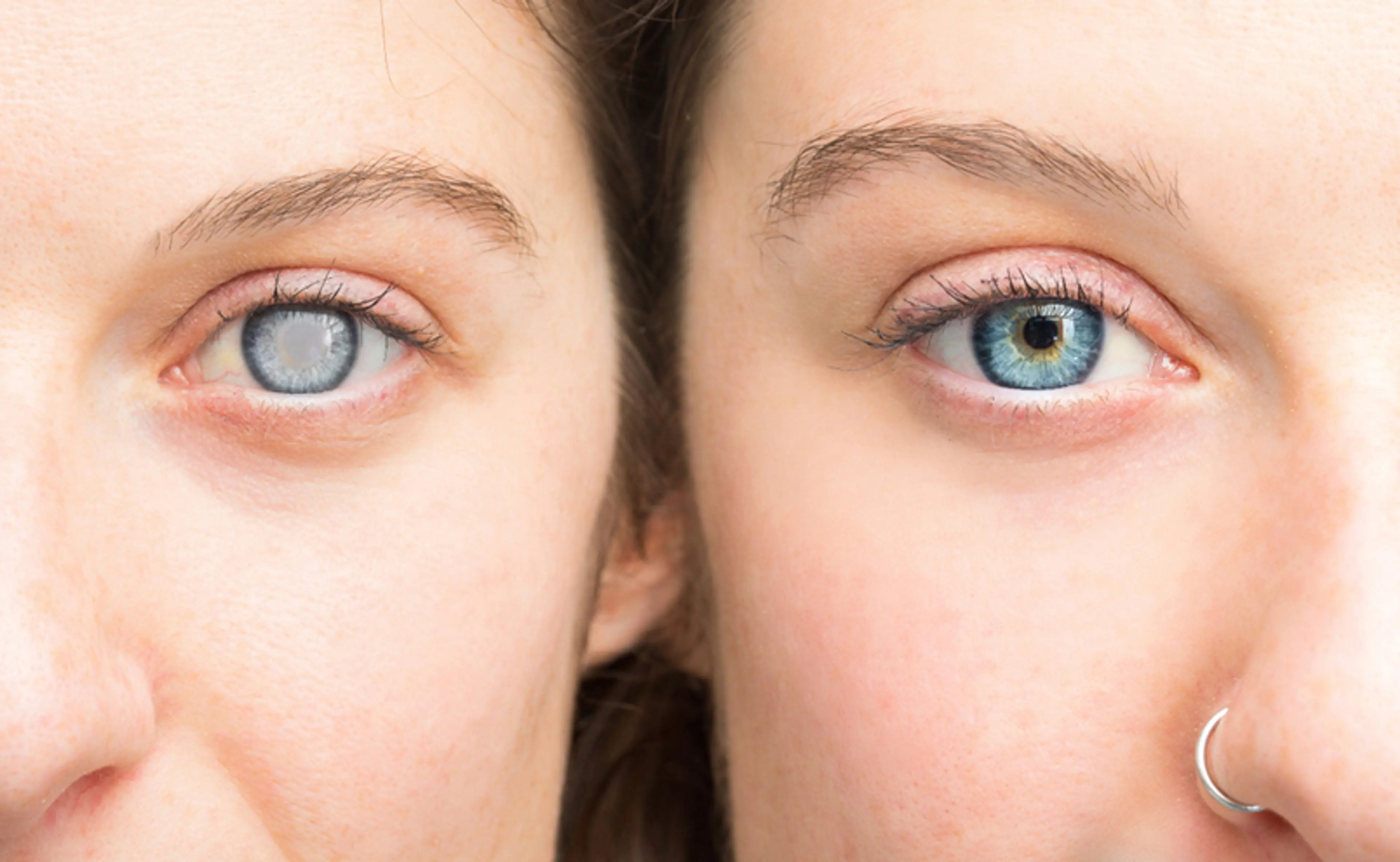
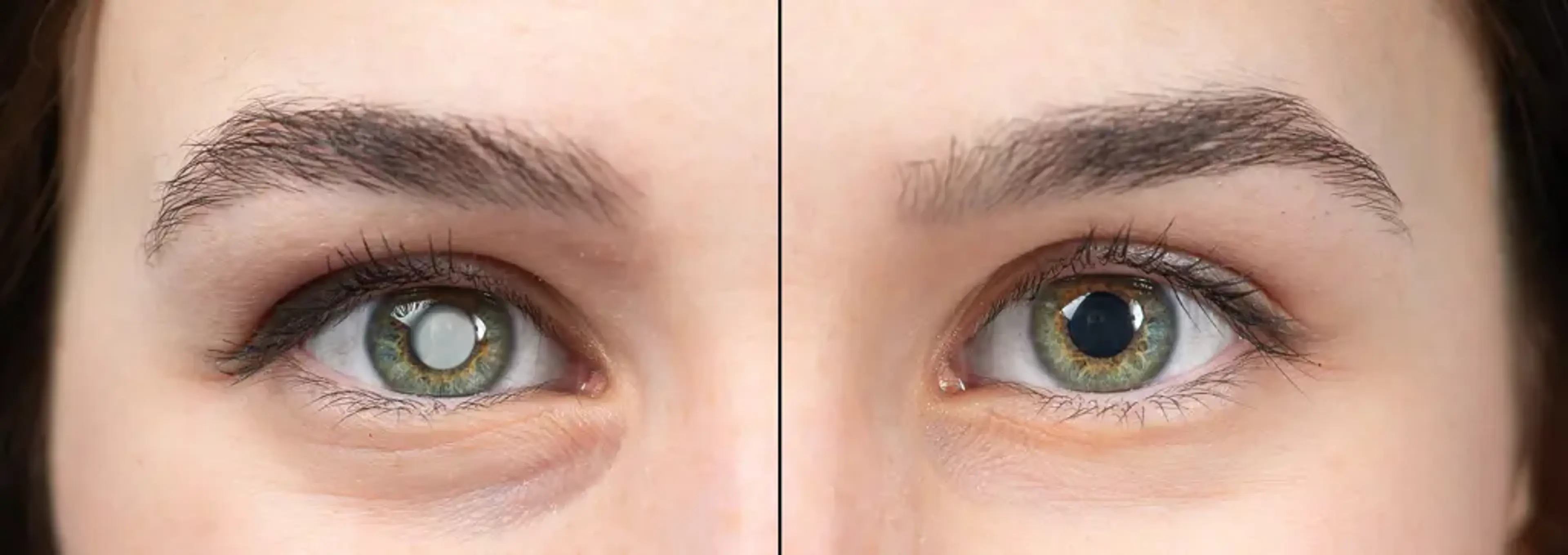
A cataract clouds the natural lens of the eye, making everything appear hazy, dim, or washed-out. At first, it may feel like your glasses are simply dirty. But over time, the fogginess deepens — night driving becomes challenging, reading labels is frustrating, and even recognizing a friend’s face across the street can feel impossible.
For decades, cataract surgery has offered a reliable solution. It is, in fact, the most commonly performed eye surgery worldwide and is considered one of the safest medical procedures. But just as smartphones replaced flip phones and electric cars began to overtake traditional engines, ophthalmology has entered a new era. The introduction of laser-assisted cataract surgery has elevated an already successful procedure into one that is more precise, gentler on the eye, and capable of delivering faster, clearer results.
At Gangnam Joeunnun Vision Clinic, where advanced technology and patient care intersect, we see every day how this innovation transforms the surgical experience.
Traditional cataract surgery is highly effective, but it is also largely manual. The surgeon uses handheld instruments to make corneal incisions, create a circular opening in the lens capsule (capsulotomy), and then break up the cloudy lens with ultrasound energy before replacing it with an artificial intraocular lens (IOL).
Even though outcomes are excellent, each of these steps depends heavily on the surgeon’s dexterity and consistency. While skilled hands can achieve remarkable precision, the human factor introduces variability. Small differences in incision size, angle, or placement can affect healing, astigmatism correction, and ultimately, visual quality.
What’s more, breaking up a dense cataract with ultrasound can sometimes place stress on the cornea. This means longer healing times, more inflammation, and occasionally slower visual recovery.
The question was never whether cataract surgery worked — it did, and it continues to do so. The question was: could it be made even safer, more precise, and more personalized to each patient’s eye?
Laser-assisted cataract surgery, often using a femtosecond laser, addresses these questions by introducing automation and imaging technology into key steps of the procedure.
Here’s how it works:
Think of it as moving from manually drawing a circle with a pen to using a precision compass that guarantees perfect symmetry every time.
One of our patients recently compared the difference to upgrading from an older camera lens to a modern one: “Before, the world looked blurred, like an out-of-focus photo. After the laser surgery, everything snapped into clarity, with colors brighter than I remembered.”
Cataract surgery is not just about removing a cloudy lens — it is an opportunity to shape how you see for the rest of your life. With modern intraocular lenses, patients can correct additional issues such as astigmatism, nearsightedness, or farsightedness.
The precision of laser-assisted surgery ensures that these lenses are placed exactly where they need to be. Even a slight tilt or misalignment can affect vision, especially with premium multifocal or toric lenses. By ensuring perfect capsule opening and accurate lens placement, the laser helps maximize the benefit of these advanced implants.
For patients in Korea, where active lifestyles and long reading hours are common, this precision can make the difference between still needing glasses for many activities versus enjoying clear vision across multiple distances.
Recovery time is often one of the biggest concerns patients bring to our clinic. “How soon can I return to work?” or “When will I be able to drive again?” are common questions.
With laser-assisted surgery, recovery tends to be smoother because:
Many patients are surprised at how quickly they regain vision. Some even drive or read comfortably the very next day. Of course, healing varies by individual, but on average, laser-assisted patients report clearer vision sooner than those who undergo traditional surgery.
At Gangnam Joeunnun Vision Clinic, led by Dr. Kim Jun-heon, we believe advanced technology should always be paired with compassionate care. Technology is a tool — but it is the surgeon’s judgment, experience, and understanding of the patient’s lifestyle that ensures the best results.
Our collaboration with ZEISS, a global leader in ophthalmic technology, allows us to offer cutting-edge femtosecond laser systems and high-quality intraocular lenses. This partnership ensures that patients receive not only the latest advancements but also the reliability of proven German engineering.
Over the past 16 years, our clinic has grown into one of Gangnam’s most trusted centers for refractive and cataract surgery. What sets us apart is not just the technology, but the way we listen to patients, tailor procedures to individual needs, and walk with them through every step of recovery.
While both traditional and laser-assisted cataract surgeries are safe and effective, certain patients may benefit more from the laser option:
Those with astigmatism, who want precise correction during cataract surgery
Patients choosing premium intraocular lenses for reduced dependence on glasses
Individuals who value fast recovery and minimal discomfort
Anyone seeking the most precise, personalized approach to cataract surgery
Still, the choice is never one-size-fits-all. A thorough consultation is the best way to determine which approach matches your eye health, vision goals, and lifestyle.
Cataracts may be inevitable, but living in a fog is not. Thanks to laser-assisted cataract surgery, patients today have access to a treatment that is not only safe but also remarkably precise and tailored. It brings together the best of medical science: advanced imaging, laser accuracy, and the human touch of an experienced surgeon.
At Gangnam Joeunnun Vision Clinic, our mission is simple — to restore clarity so that you can enjoy every detail of life again. Whether that means seeing your loved ones’ smiles, driving through Seoul at night with confidence, or reading your favorite novel without strain, the goal is always the same: to help you see your world with new clarity.
If you’re considering cataract surgery, we welcome you to visit us in Gangnam. A consultation is the first step toward understanding your options and discovering how precision technology can help you recover not only your vision — but also your confidence in the way you see the world.