Home / Articles
How Laser-Assisted Cataract Surgery Can Help You See Clearly After Surgery
Home / Articles
How Laser-Assisted Cataract Surgery Can Help You See Clearly After Surgery
You might chalk it up to age at first — needing more light to read, squinting at signs, or feeling like everything looks just a little... duller. But what many people don’t realize is that these subtle changes are often the earliest signs of cataracts. And in Korea, where visual precision is part of daily life — from driving through dense city traffic to working long hours on digital screens — clear eyesight isn’t just a luxury. It’s essential.
Here at Gangnam Joeunnun Vision Clinic, we meet countless patients who are worried about losing their independence because of declining vision. The good news? Cataract surgery has entered a new era — and laser-assisted cataract surgery is leading the way. With advanced tools like the ZEISS femtosecond laser and premium intraocular lenses, we’re not just restoring sight. We’re helping people see with clarity they hadn’t experienced in years.
If you’re wondering how laser-assisted cataract surgery works — and whether it’s right for you — you’re in the right place.
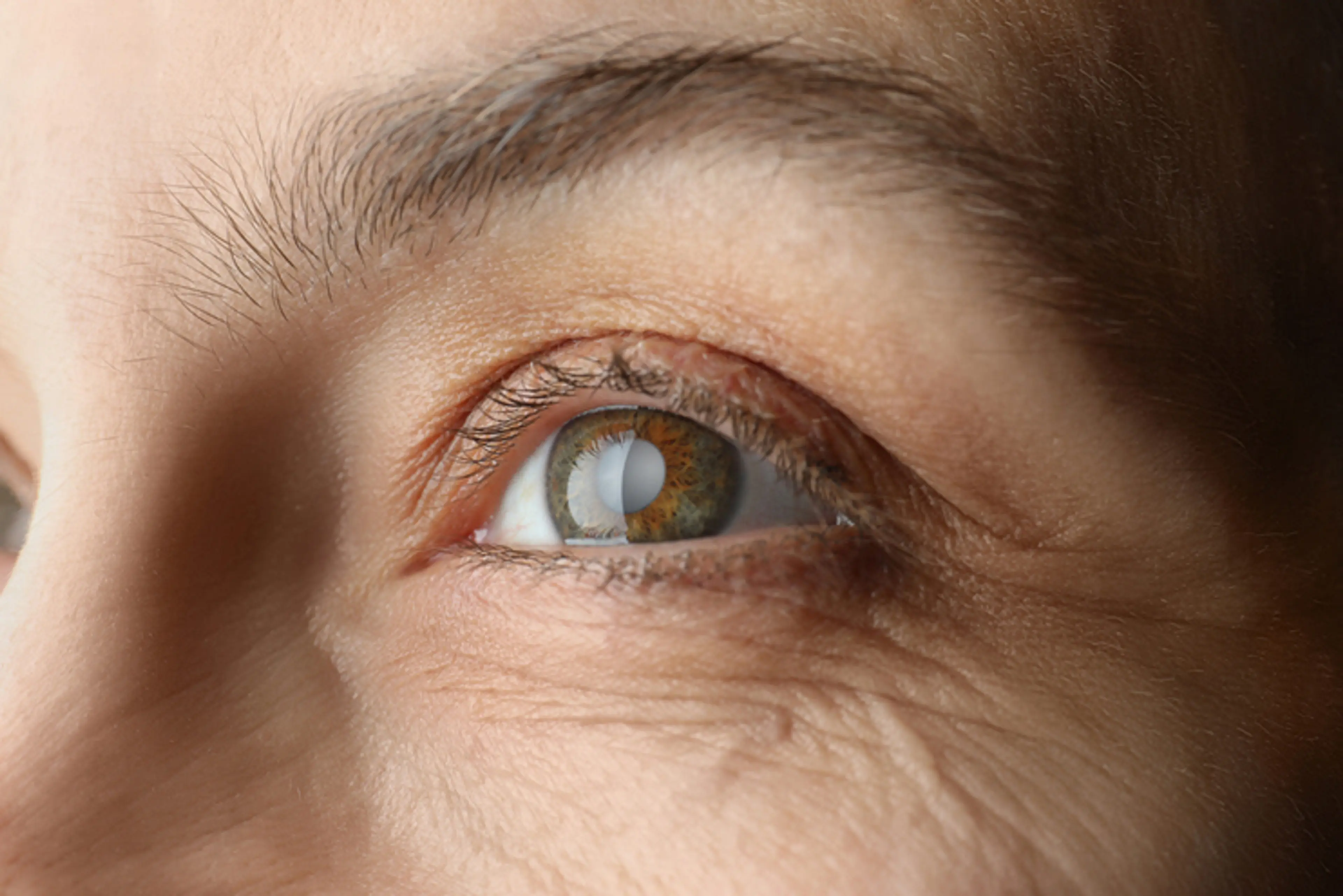
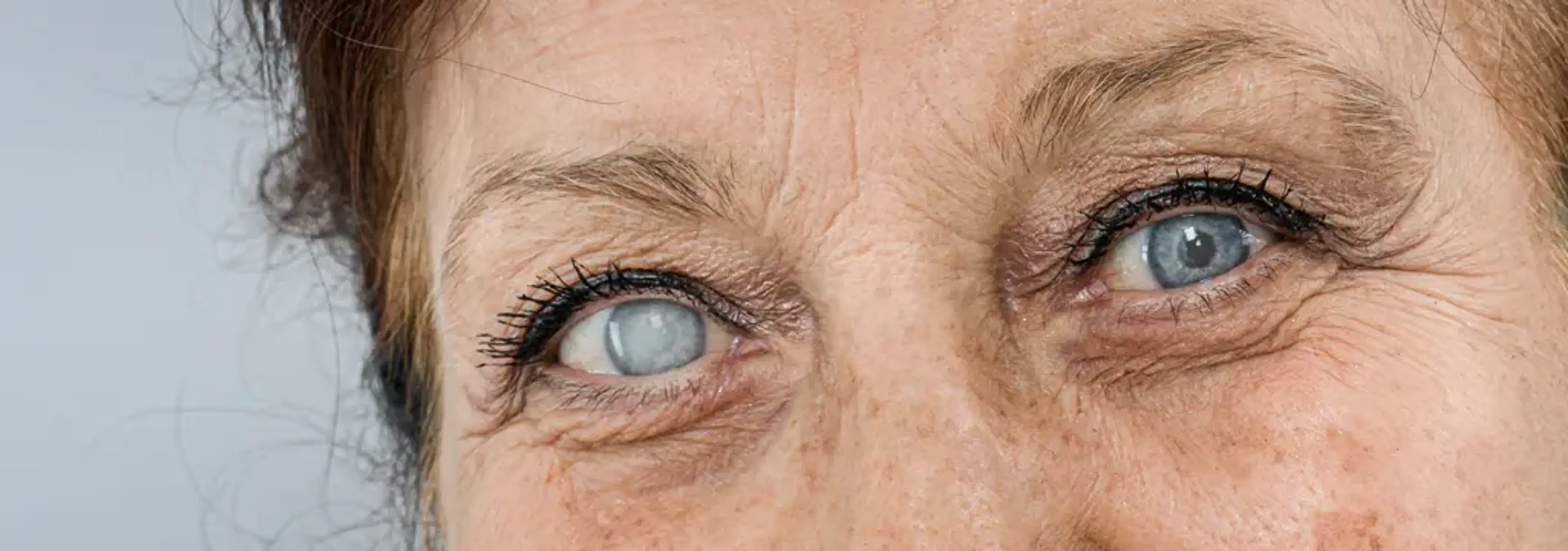
Think of your eye like a camera. The lens helps focus light onto your retina, just like a camera lens focuses light onto film or a sensor. But with age, that clear lens can become cloudy — like condensation fogging up your phone camera.
That cloudiness? That’s a cataract.
Cataracts don’t come on overnight. At first, you might just feel like your prescription glasses aren’t helping like they used to. You might struggle with glare from headlights at night or feel like colors seem more washed out. Over time, the clouding intensifies, making it difficult to carry out even basic daily tasks.
The only way to truly treat cataracts is by removing the cloudy lens and replacing it with a clear artificial one — known as an intraocular lens (IOL).
But the way we perform that surgery has changed dramatically.
For decades, cataract surgery was done entirely by hand. A surgeon would use tiny blades to make incisions, manually break up the lens, and insert the new one. It’s still a highly effective procedure, and it’s one of the most commonly performed surgeries in the world.
But there’s a newer, more refined method: femtosecond laser-assisted cataract surgery (FLACS).
Here’s how it differs — and why it matters for your vision:
With FLACS, the laser performs key steps of the surgery with micron-level accuracy. This includes:
Creating the corneal incisions
Opening the lens capsule (capsulotomy)
Softening and segmenting the cataract for easier removal
This level of consistency simply isn’t possible with a blade — even in the steadiest hands. At Gangnam Joeunnun Vision Clinic, our ZEISS femtosecond laser system maps your eye in 3D to guide every movement. The result? Less trauma to the eye, and a smoother surgery.
Proper placement maximizes the performance of these lenses — which means sharper, more natural vision after recovery.
By pre-softening the lens with the laser, the ultrasonic energy needed to break up the cataract is reduced. That means:
Less heat in the eye
Lower risk of corneal swelling
Smoother healing and potentially quicker visual recovery
To put it simply: Your eyes go through less, and you bounce back faster.
In Korea, where people often work into their 60s and prioritize quality of life in retirement, the expectation for vision correction is high. Patients don’t just want their cataracts removed — they want to see clearly, comfortably, and without glasses if possible.
That’s why clinics offering laser-assisted surgery with premium IOLs have seen a rise in demand.
At Gangnam Joeunnun Vision Clinic, we’ve noticed a distinct shift. Patients are becoming more informed — asking about lens options, laser safety, and long-term outcomes. They’re not just looking for surgery; they’re looking for vision optimization.
Dr. Kim Jun-heon, who has over 16 years of experience in precision refractive surgery, often compares cataract surgery to upgrading a camera lens:
"You're not just cleaning the glass — you're swapping in a whole new lens system. It’s a chance to recalibrate your focus for life."
That depends.
While laser-assisted cataract surgery offers many advantages, not every patient may be a candidate — or need it. Factors like corneal health, the type of cataract, and the choice of intraocular lens all play a role.
Here’s what we often tell patients during consultations at our Gangnam clinic:
However, we also emphasize that the surgeon’s experience is just as important as the technology. A laser is a tool — it needs skilled hands and judgment behind it.
The idea of eye surgery can be daunting. But most patients are surprised at how quick and painless it is.
Here’s what typically happens:
You’ll receive eye drops to dilate the pupil and numb the eye.
The ZEISS laser system maps the eye for customized treatment planning.
The laser makes precise incisions and preps the cataract.
The surgeon removes the cloudy lens and implants the new IOL.
Vision may be blurry for the first day or two.
Most patients notice a dramatic improvement in 24–48 hours.
Patients often say it feels like a “veil has been lifted.” One patient at our clinic, Mr. Park (aged 67), said:
“Colors looked brighter. I could see the text on my phone again — without squinting. I hadn’t realized how much I’d lost until I got it back.”
We’re not a general hospital. We’re a specialized eye clinic, and we believe that makes all the difference.
At Gangnam Joeunnun Vision Clinic:
Dr. Kim Jun-heon personally evaluates every case — from cataracts to complex refractive surgeries.
We tailor your IOL choice to your lifestyle — whether you want to read without glasses or drive comfortably at night.
Multilingual support is available for international patients seeking high-quality care in Seoul.
Most importantly, we treat your vision as your future. And we’re committed to making it clearer.
The idea of surgery on your eyes can feel overwhelming — we get that. But the truth is, laser-assisted cataract surgery has transformed what used to be a delicate manual operation into a safe, highly precise procedure with life-changing results. At Gangnam Joeunnun Vision Clinic, we see this transformation every day: patients who walk in unsure and walk out seeing the world in vivid detail again.
Whether you're navigating Seoul’s busy streets or reading your favorite book without glasses for the first time in years, clear vision changes everything.
If you or a loved one is facing cataracts, don’t settle for outdated methods or one-size-fits-all solutions. Come talk to a team that understands how to match the right technology to your individual needs. A personalized consultation at Gangnam Joeunnun Vision Clinic is the first step to seeing clearly again — and seeing life fully.