Home / Articles
How IOL Implants Help with Presbyopia and Cataract Treatment
Home / Articles
How IOL Implants Help with Presbyopia and Cataract Treatment
At some point in our 40s or 50s, many of us start to notice the small but telling signs of vision change — needing to hold the phone farther away, struggling to read fine print, or finding night driving more difficult because of glare and halos.
These changes are often caused by presbyopia (loss of near focus) and cataracts (clouding of the lens) — two natural consequences of the aging process. For decades, they were treated separately: reading glasses for presbyopia and surgery later for cataracts.
But today, thanks to modern intraocular lens (IOL) implants, both conditions can be treated simultaneously. At Gangnam Joeunnun Vision Clinic, led by Dr. Kim Jun-heon, patients are experiencing clear, youthful vision again — often without the need for glasses.
Both presbyopia and cataracts originate in the lens of the eye — the transparent structure behind the iris that focuses light onto the retina.
Think of your eye as a camera: presbyopia is like a lens that can no longer adjust focus, while a cataract is like a lens covered in fog. In both cases, replacing the lens with an artificial one restores clarity and flexibility — which is exactly what an IOL implant does.
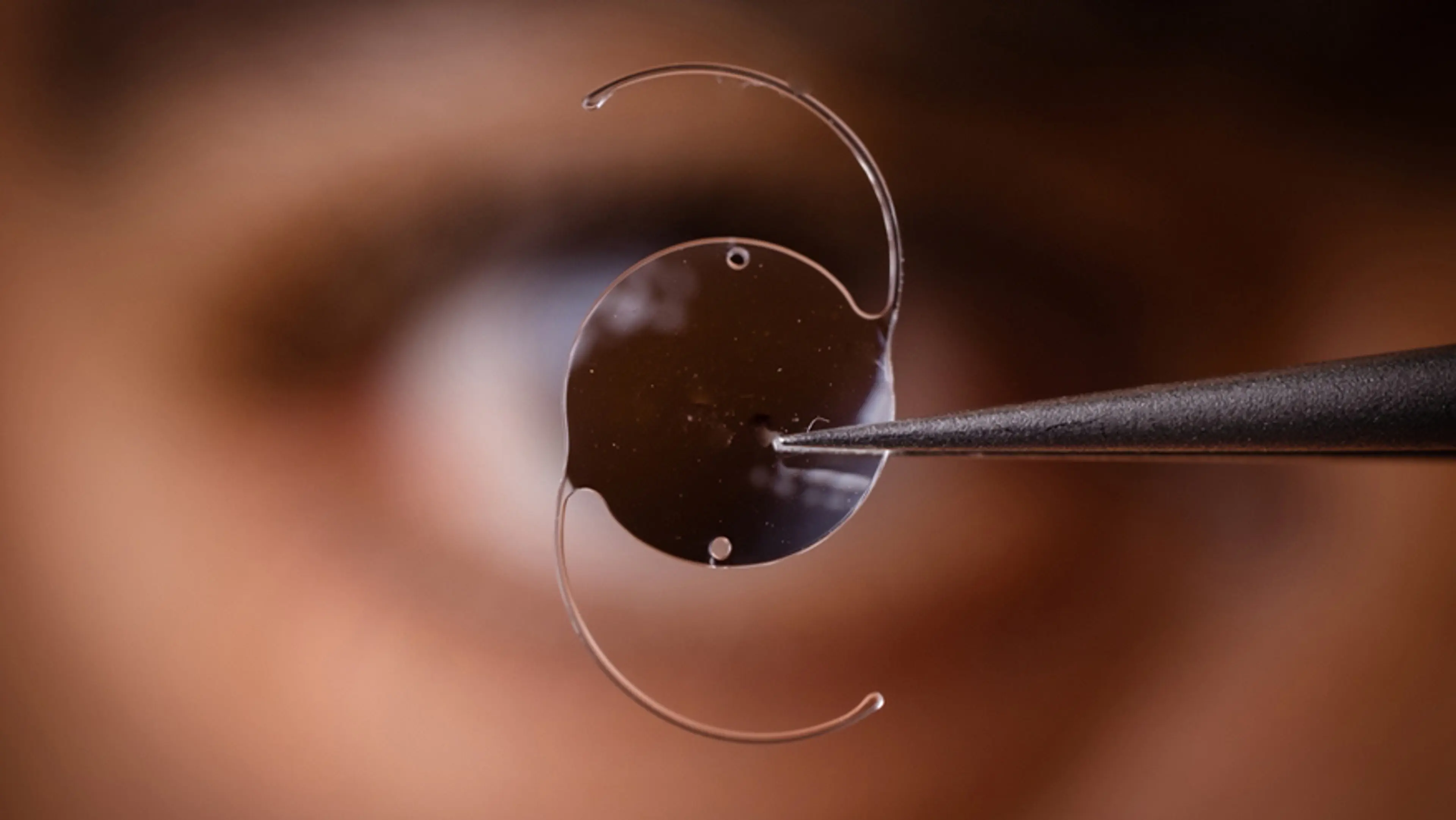
An Intraocular Lens (IOL) is a clear, artificial lens that replaces the eye’s natural lens during cataract surgery or lens replacement surgery.
Made from advanced, biocompatible materials, an IOL becomes a permanent part of your eye, designed to remain clear and stable for life. Modern IOLs don’t just restore sight — they can correct refractive errors such as nearsightedness, farsightedness, astigmatism, and presbyopia.
At Gangnam Joeunnun Vision Clinic, Dr. Kim carefully selects the best lens for each patient based on their eyes, visual habits, and lifestyle:
This personalized approach ensures every patient gets a visual result that feels natural — not over- or under-corrected.
Cataract surgery is one of the most precise and successful procedures in medicine. It takes about 10–15 minutes per eye and is performed under local anesthesia.
The surgeon removes the cloudy natural lens using ultrasound or laser energy, then replaces it with a clear IOL. Vision usually improves within a day, and colors often appear brighter and more vivid.
At Gangnam Joeunnun Vision Clinic, Dr. Kim performs cataract surgery using ZEISS precision technology — the gold standard in optical imaging and surgical guidance. This ensures the IOL is positioned at the exact angle and depth for maximum clarity and stability.
Patients often describe the experience as seeing through a freshly cleaned window for the first time in years.
Presbyopia-correcting IOLs, such as multifocal or EDOF lenses, can restore near and intermediate focus — giving freedom from reading glasses.
By replacing your natural, inflexible lens with a high-performance artificial one, your eyes can regain a youthful ability to shift focus seamlessly.
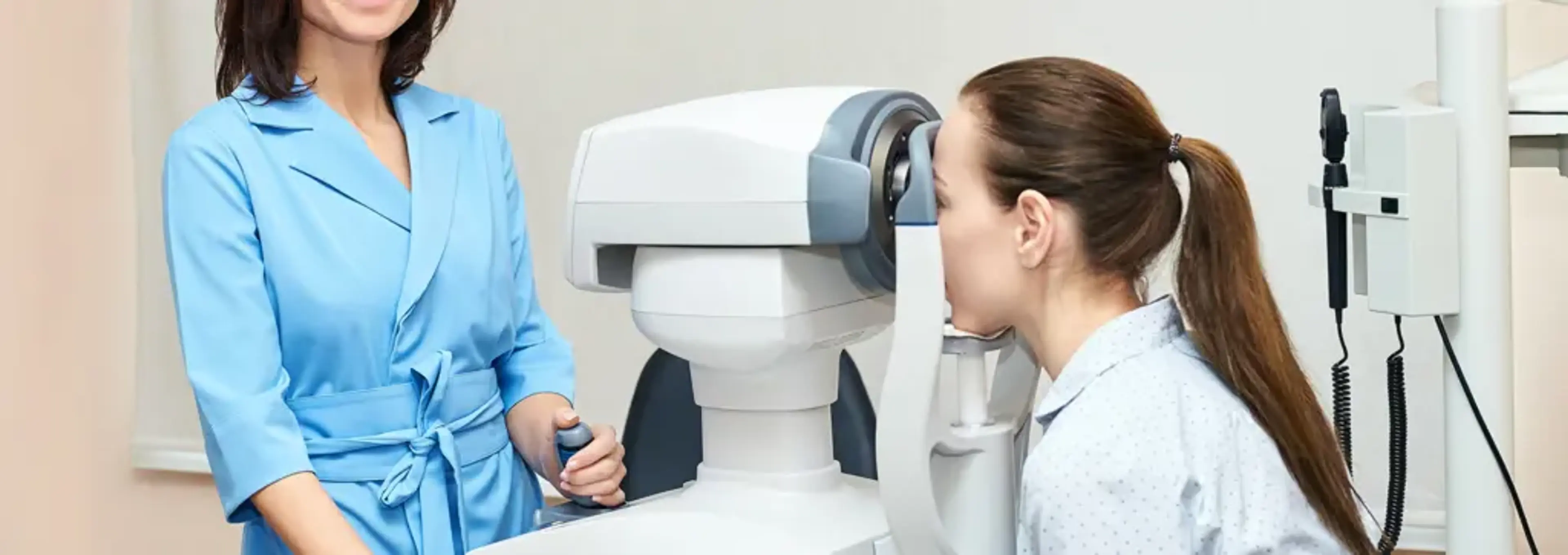
At our clinic, each lens recommendation is based on extensive pre-surgical testing, including corneal mapping, eye length measurement, and pupil analysis, to ensure perfect compatibility.
The beauty of IOL surgery is that it can solve two problems at once. Because cataract surgery already involves replacing the natural lens, it’s the perfect time to correct presbyopia too.
This means:
It’s not just about seeing clearly again — it’s about regaining visual freedom.
Korea’s ophthalmic care is among the most advanced in the world, and Gangnam Joeunnun Vision Clinic stands at the forefront.
Dr. Kim uses the latest ZEISS biometry and visualization systems for sub-millimeter precision, as well as advanced surgical microscopes that provide real-time digital guidance during every operation.
Every patient receives a comprehensive diagnostic evaluation, including measurements of corneal curvature, lens density, and pupil response. Even a 0.1 mm difference in IOL position can affect visual performance — which is why precision and personalization are at the core of every surgery we perform.
Many patients describe the change as “rediscovering the world.”
One 54-year-old architect, who had both cataracts and presbyopia, used to carry three pairs of glasses — for reading, drafting, and driving. After receiving trifocal IOLs, he regained clear focus at all distances and was back to work within days.
Stories like his are common at our clinic — patients often say their only regret is not doing it sooner.
You may be a good candidate if you:
Want long-term vision correction that doesn’t depend on external lenses.
However, not all eyes are suited for multifocal IOLs — factors like corneal health or retinal condition must be considered. That’s why Gangnam Joeunnun Vision Clinic provides detailed diagnostic assessments before every recommendation.
Recovery is typically fast and comfortable. Most patients notice significant improvement within 24–48 hours. Light sensitivity or mild dryness can occur but usually resolves quickly with prescribed eye drops.
IOLs are permanent and maintenance-free — they don’t age or cloud. Once implanted, your vision remains stable for decades, offering a lasting return to clarity and convenience.
Located in the heart of Seoul’s Gangnam district, our clinic specializes in SMILE, LASIK, LASEK, and Premium Cataract Surgery. Led by Dr. Kim Jun-heon, a refractive surgeon with over 16 years of experience, the clinic is known for its combination of advanced technology and genuine patient-centered care.
Our guiding principles:
As we age, it’s natural for the eyes to change — but living with cloudy, strained, or unfocused vision doesn’t have to be part of that process. Thanks to modern IOL (Intraocular Lens) technology, patients today can address both presbyopia and cataracts through one precise, life-changing procedure.
What once required multiple surgeries or constant reliance on glasses can now be corrected with a single, customized lens implant that restores clarity across all distances. For many patients, it’s not just about seeing better — it’s about reclaiming comfort, confidence, and visual freedom.
At Gangnam Joeunnun Vision Clinic, we understand that every pair of eyes — and every lifestyle — is unique. Under the guidance of Dr. Kim Jun-heon, our team provides thorough evaluations, premium ZEISS technology, and personalized surgical planning to ensure each patient achieves their best possible vision.
If you’ve noticed your world looking a little dimmer or reading glasses becoming a daily burden, now is the time to explore your options. A consultation at Gangnam Joeunnun Vision Clinic can help you take the first step toward a future where every moment — near or far — is crystal clear.