Introduction
introductionCataracts, the clouding of the natural lens in the eye, are a common condition, particularly as we age. The gradual decline in vision can affect your daily life, from driving to reading and even enjoying your favorite hobbies. Fortunately, modern technology has provided a safe and highly effective solution: phacoemulsification. This minimally invasive procedure has revolutionized cataract surgery, offering patients faster recovery times, better outcomes, and greater comfort than traditional methods. At Gangnam Joeunnun Vision Clinic, we specialize in advanced cataract treatments, led by Dr. Kim Jun-heon, a respected ophthalmologist. In this article, we'll take you through everything you need to know about phacoemulsification, so you can make an informed decision about restoring your vision.
What is Phacoemulsification?
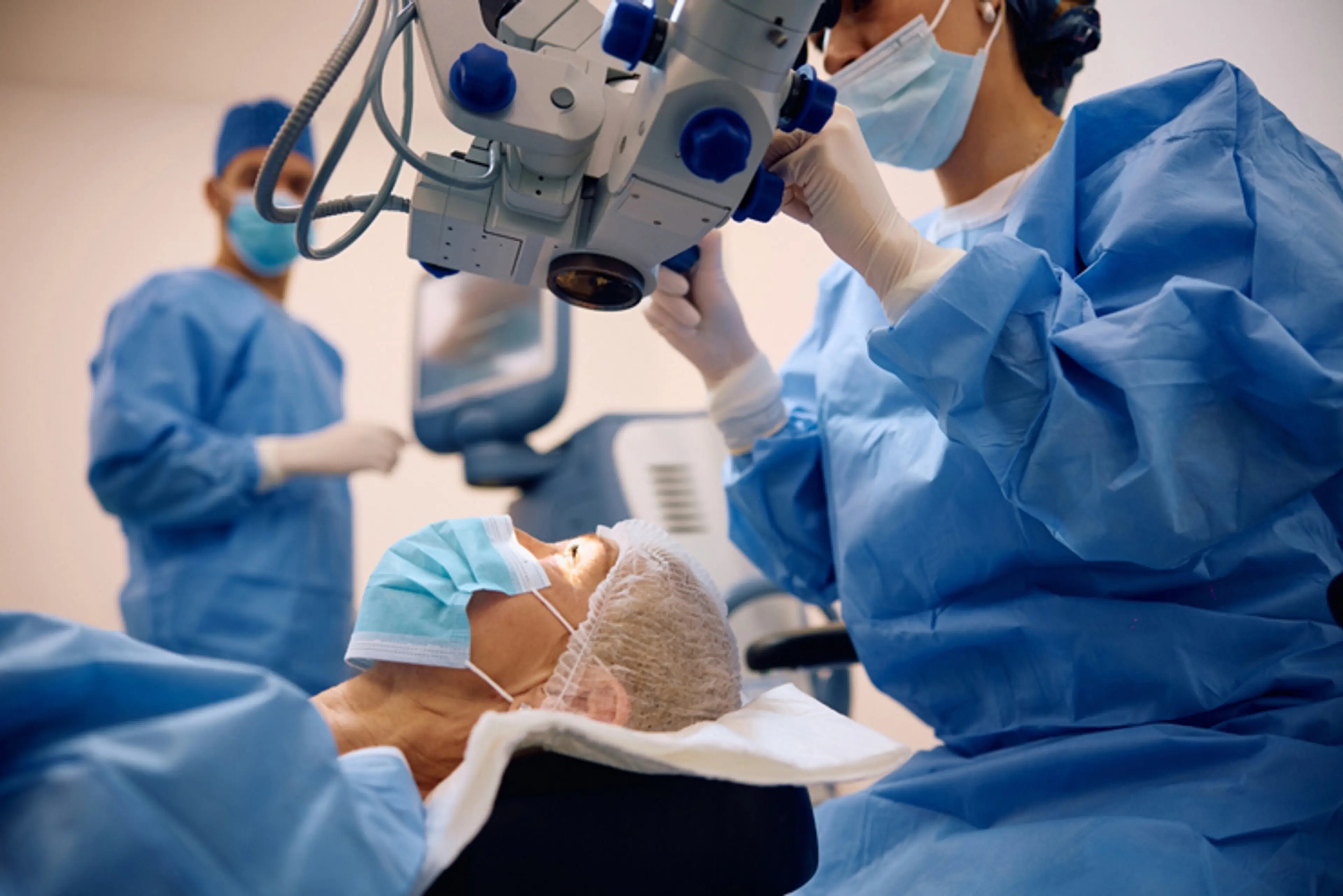
what-is-phacoemulsificationPhacoemulsification (often abbreviated to phaco) is a modern, minimally invasive technique used to remove cataracts. A cataract is a clouding of the eye’s natural lens, which can cause blurry vision, glare, and difficulty seeing at night. During phacoemulsification, the cloudy lens is broken down into tiny pieces using ultrasound waves and then gently suctioned out. After the lens is removed, an artificial intraocular lens (IOL) is implanted to restore clear vision.
Unlike older methods of cataract surgery, which involved making large incisions, phacoemulsification uses a tiny, self-sealing incision, which reduces the need for stitches and allows for quicker recovery times.
Why Phacoemulsification is the Preferred Choice
why-phacoemulsification-is-the-preferred-choiceIn the past, cataract removal involved removing the entire cloudy lens, often through a large incision. Phacoemulsification, however, is far less invasive and offers several advantages:
Smaller Incisions: The incision for phacoemulsification is typically only about 2-3 millimeters long, compared to the larger incisions required for older techniques. This smaller incision reduces the risk of complications and speeds up healing.
Faster Recovery: Because the procedure is minimally invasive, patients can usually return to their normal activities much sooner—often within a few days.
High Success Rate: Phacoemulsification is considered one of the most effective and reliable cataract removal techniques, with high success rates and minimal risk of complications.
Customization with IOLs: After the cataract is removed, the surgeon implants an intraocular lens (IOL). There are various types of IOLs, including monofocal, multifocal, and toric lenses, allowing the surgeon to customize the procedure to suit your vision needs and lifestyle. This makes phacoemulsification an excellent option for patients who require more than just cataract removal.
The Phacoemulsification Procedure: Step by Step
the-phacoemulsification-procedure:-step-by-step
If you’re wondering how phacoemulsification works, here’s a breakdown of the procedure:
Preparation and Anesthesia: Before the surgery, the eye is numbed with local anesthesia, usually in the form of eye drops or an injection. Most patients remain awake during the procedure, although a mild sedative may be given to help you relax.
Incision: The surgeon creates a tiny incision in the cornea, typically around 2-3 millimeters wide. This incision is made in a way that helps it heal naturally without the need for stitches.
Ultrasound Emulsification: A small probe is inserted through the incision. This probe emits high-frequency ultrasound waves, which break the cataract (cloudy lens) into tiny fragments. The probe also gently suctions out the broken pieces of the lens.
Lens Replacement: After the cataract is removed, the surgeon places a new intraocular lens (IOL) into the empty lens capsule. The IOL may be customized based on the patient's vision needs. For instance, a multifocal IOL can help reduce dependence on glasses for both distance and near vision.
Closing the Incision: Because the incision is so small, it typically seals on its own without the need for stitches. The recovery process begins immediately after surgery.
Post-Operative Care: Patients are usually given eye drops and instructions on how to care for their eye during the recovery period. Follow-up appointments are scheduled to monitor the healing process.
Benefits of Phacoemulsification for Cataract Removal
benefits-of-phacoemulsification-for-cataract-removalLess Invasive: Phacoemulsification requires only a small incision, minimizing trauma to the eye. This leads to a quicker recovery and less discomfort post-surgery.
Faster Visual Recovery: Patients often experience improved vision within a day or two after the procedure. The quick recovery is especially beneficial for those who lead active lifestyles.
No Stitches or Sutures: Because the incision is self-sealing, there is no need for stitches, reducing the chances of complications and speeding up recovery time.
Customized Vision Solutions: The use of intraocular lenses (IOLs) means that patients can choose lenses tailored to their vision needs. Whether you need correction for astigmatism or want a lens that provides clear vision at both near and far distances, the IOL options are vast.
Low Risk of Complications: Phacoemulsification has a proven track record of success. With proper aftercare, the risk of complications is minimal, and most patients experience significant improvements in their vision.
Risks and Considerations
risks-and-considerationsWhile phacoemulsification is a highly effective and safe procedure, like any surgery, it does come with some risks. It's important to understand these before deciding if the procedure is right for you. Possible risks include:
Infection: Though rare, infections can occur. That’s why it’s crucial to follow your surgeon’s post-operative care instructions closely.
Inflammation: Some inflammation is common, but it can be managed with eye drops.
Retinal Detachment: Though extremely rare, retinal detachment is a serious complication that can occur after cataract surgery.
IOL Misalignment: The intraocular lens can sometimes shift out of place, though this is also rare and can be corrected with additional treatment if necessary.
How to Know if Phacoemulsification is Right for You
how-to-know-if-phacoemulsification-is-right-for-you
If you're considering cataract surgery, you might be wondering if phacoemulsification is the best option for your needs. Here are some factors to consider:
Age and General Health: Most people over the age of 60 who are experiencing cataracts can benefit from phacoemulsification. However, overall health, eye health, and the presence of other eye conditions can influence the decision.
Vision Needs: If you rely on glasses or contact lenses, an IOL might provide a more permanent solution, reducing or even eliminating your dependence on corrective eyewear.
Lifestyle: If you have an active lifestyle or are looking for a quick recovery, phacoemulsification is an excellent choice due to its minimally invasive nature.
Post-Surgery Expectations and Recovery
post-surgery-expectations-and-recoveryOne of the greatest advantages of phacoemulsification is the quick recovery time. Most patients experience improved vision within 24 to 48 hours of surgery. You can expect to:
Rest for the first 24 hours: It’s recommended that you take it easy after surgery. Your surgeon may advise you to avoid bending, lifting heavy objects, or participating in strenuous activities for a few weeks.
Use prescribed eye drops: To reduce inflammation and prevent infection, your doctor will likely prescribe antibiotic and anti-inflammatory eye drops.
Follow-up visits: You will need to visit your ophthalmologist for a check-up to ensure that the eye is healing properly.
Full recovery typically takes a few weeks, and during this time, you may experience mild discomfort, such as itching or a sensation of something in your eye. These symptoms usually subside quickly.
Why Choose Gangnam Joeunnun Vision Clinic for Cataract Surgery?
why-choose-gangnam-joeunnun-vision-clinic-for-cataract-surgeryAt Gangnam Joeunnun Vision Clinic, our approach to cataract surgery is guided by precision, cutting-edge technology, and a deep commitment to patient care. With over 16 years of expertise, Dr. Kim Jun-heon and his team use the latest techniques, including phacoemulsification, to offer customized treatments tailored to each patient’s needs.
By leveraging advanced diagnostic tools and a patient-centered approach, we ensure that your treatment journey is as smooth and successful as possible. Our collaboration with ZEISS, a leader in optical technology, ensures that every cataract surgery is performed with the highest degree of accuracy.
If you're considering cataract surgery, schedule a consultation with us to learn more about how phacoemulsification can help restore your vision. At Gangnam Joeunnun Vision Clinic, we’re here to guide you through every step of the process, ensuring a brighter, clearer future for your eyes.
Conclusion
conclusionPhacoemulsification stands as one of the most trusted and effective methods for cataract removal, offering patients a quick recovery, minimal discomfort, and excellent visual outcomes. By utilizing cutting-edge technology and personalized care, Gangnam Joeunnun Vision Clinic ensures that each patient’s surgery is tailored to their specific needs, helping them regain clear and vibrant vision. If you're struggling with cataracts and are considering surgery, phacoemulsification may be the right solution for you. Schedule a consultation with our expert team to learn more about this life-changing procedure and how it can restore your eyesight, so you can continue enjoying all the moments that matter most.