Home / Articles
Dry Eye Treatment for Post-Surgery Patients: What You Need to Know
Home / Articles
Dry Eye Treatment for Post-Surgery Patients: What You Need to Know
You’ve done it — you finally took the leap and had vision correction surgery. Whether it was SMILE, LASIK, LASEK, or cataract surgery, your world is now clearer without glasses or contact lenses. But while your vision has sharpened, you may be facing a side effect that no one quite warned you about:
Dry, irritated, or tired eyes.
If this sounds familiar, you’re not alone. At Gangnam Joeunnun Vision Clinic, located in the heart of Gangnam, Seoul, we hear this concern regularly. In fact, one of the most frequent questions patients ask after surgery is:
The answer is yes — and, more importantly, it’s treatable.
In this article, we’ll walk you through:
Why dry eye happens after eye surgery
How long it typically lasts
Which treatments actually work (and which don’t)
What we do differently at our clinic to support recovery
Whether you’re just starting to notice symptoms or preparing for surgery, this guide will help you understand what’s happening — and how to bring lasting comfort back to your eyes.
Let’s begin with how your eyes function under normal circumstances. Every time you blink, a protective layer of tears — called the tear film — coats your cornea. This tear film ensures visual clarity, comfort, and protection from dust and bacteria. After refractive surgery, however, that balance can be temporarily disrupted.
Here’s why that happens:
Procedures like LASIK and SMILE reshape the cornea with high precision. But in doing so, they affect the corneal nerves responsible for detecting dryness and triggering tear production. When these nerves are interrupted, your eyes might not send the right signals, even if they feel dry.
All surgery causes some degree of inflammation. In the eyes, even a small amount of inflammation can impair the function of tear-producing glands, leading to dryness during the healing phase.
Many patients in Korea already experience dry eye symptoms due to heavy screen time, contact lens use, and environmental factors such as indoor heating or air conditioning. If this condition exists before surgery, it may become more noticeable afterward.
Along the eyelid margins are oil-producing glands that prevent tear evaporation. If these glands become blocked or underactive — a condition known as MGD — tears evaporate too quickly, leaving the surface dry and exposed. This is a frequent contributor to post-surgical dry eye, especially if it wasn’t addressed before surgery.
It’s important to understand that dry eye isn’t just a matter of not having enough tears. Often, the issue lies in tear quality, evaporation rate, and the stability of the tear film.
For most patients, post-surgical dry eye is temporary.
At Gangnam Joeunnun Vision Clinic, we typically observe the following recovery timelines:
SMILE patients usually recover from dry eye symptoms within 2 to 4 weeks.
LASIK and LASEK patients may take between 1 to 3 months for full tear film stability.
Cataract surgery patients, particularly older adults, may experience dryness for up to 3 to 6 months due to age-related changes in tear production.
However, in some patients — especially those with undiagnosed chronic dry eye or autoimmune conditions — symptoms can linger longer if not treated properly.
This is why proactive care and follow-up are essential. Waiting for symptoms to resolve on their own can delay healing and affect your overall satisfaction with the surgery.
It's normal to feel some discomfort after vision correction, but here are signs that you're dealing with post-surgical dry eye:
Stinging or burning sensation
Gritty or sandy feeling in the eyes
Blurry vision that clears temporarily after blinking
Redness or tiredness after reading or screen use
Sensitivity to light
Paradoxical tearing (watery eyes as a reflex to dryness)
If these symptoms last more than a few weeks or begin to interfere with your daily life, it’s time to explore treatment options.
Our clinic takes a comprehensive and highly personalized approach to post-surgical dry eye. Rather than relying on generic treatments, we assess each patient’s tear film, gland function, ocular surface health, and healing status.
Here’s how we typically approach treatment:
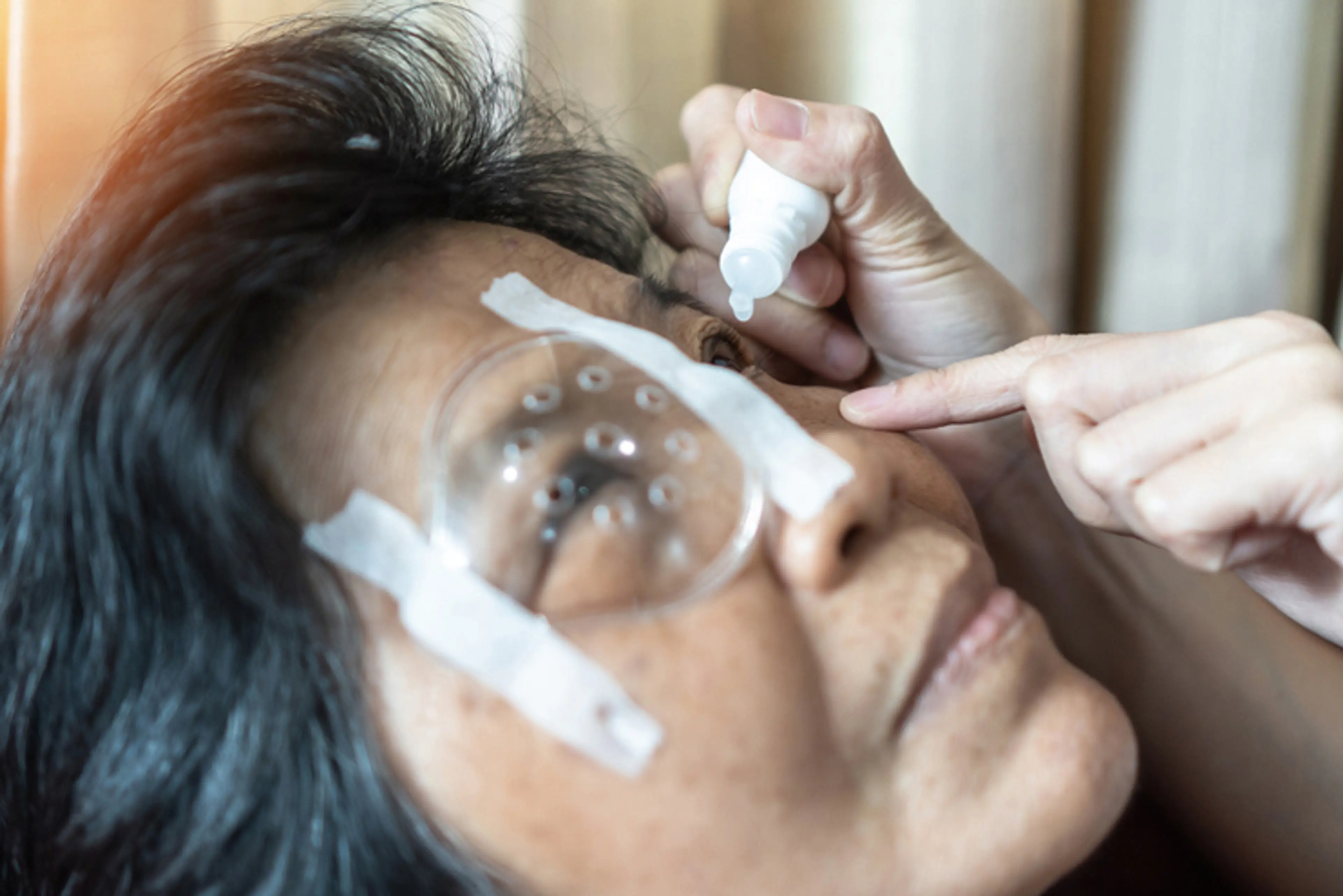
We prescribe preservative-free lubricating drops that can be used multiple times a day. These support hydration without adding any chemical preservatives that may irritate healing tissue.
The type of drop matters. For example, patients with oil deficiency may need lipid-based tears to restore the evaporative layer of the tear film.
These are tiny medical-grade inserts placed into the tear drainage ducts to slow tear loss. They help your natural tears stay on the eye longer and are particularly effective during the recovery period.
Punctal plugs are painless, reversible, and often provide noticeable relief within a day or two.
For patients with meibomian gland dysfunction, we recommend daily warm compresses at home to soften hardened oil and improve gland function. We also guide patients through safe lid hygiene practices to reduce bacterial buildup.
For more advanced cases, we offer in-clinic procedures like:
Meibography (gland imaging)
LipiFlow thermal pulsation therapy
Intense Pulsed Light (IPL) treatments
High-quality omega-3 supplements can improve the oil composition in your tears, leading to better moisture retention. We often recommend these in capsule or liquid form as part of a broader recovery strategy.
For persistent cases, medications like cyclosporine (Restasis) or lifitegrast (Xiidra) may be prescribed. These eye drops help reduce inflammation in the tear-producing glands and restore long-term tear balance.
We carefully monitor each patient's response and only recommend these treatments when necessary.
Here’s why:
This is one of the reasons we recommend SMILE for patients with pre-existing dry eye or those concerned about post-operative dryness.
To support your recovery from post-surgical dry eye, here are some practical daily habits:
Blink regularly and fully, especially during extended screen use.
Use a humidifier indoors, especially in winter or air-conditioned rooms.
Follow the 20-20-20 rule: every 20 minutes, look at something 20 feet away for 20 seconds.
Stay hydrated with water-rich foods and regular fluid intake.
Avoid rubbing your eyes, even if they feel itchy.
These small changes can make a big difference in your recovery timeline.
While mild dryness is common after surgery, you should seek medical advice if:
Your symptoms persist beyond 6 weeks
Vision becomes unstable throughout the day
Eye drops no longer provide relief
You feel discomfort or pain that interferes with sleep, work, or daily tasks
At Gangnam Joeunnun Vision Clinic, we offer detailed diagnostics such as:
Tear break-up time testing
Tear film imaging
Meibography
Ocular surface staining
These allow us to tailor your treatment precisely to your eye’s condition — not just general symptoms.
Dry eye after refractive or cataract surgery is not unusual. It’s part of the healing process for many, and with the right support, it usually resolves quickly.
But it should never be ignored.
At Gangnam Joeunnun Vision Clinic, we believe that true vision correction goes beyond achieving 20/20 eyesight. It includes helping you live without irritation, dryness, or discomfort — so you can fully enjoy the freedom your surgery was meant to bring.
If you’ve had surgery and are still dealing with dry eye symptoms, or if you’re preparing for a procedure and want to minimize your risk, we’re here to help.