Home / Articles
Can IOL Implants Correct More Than Just Cataracts? Find Out Now
Home / Articles
Can IOL Implants Correct More Than Just Cataracts? Find Out Now
If you’ve been considering cataract surgery, you’ve likely heard about Intraocular Lenses (IOLs) as part of the process. Traditionally, IOLs are used to replace the cloudy lens in your eye caused by cataracts, restoring clear vision. But did you know that IOLs are now being used to address more than just cataracts? Thanks to advancements in lens technology, IOL implants are increasingly used to correct a variety of vision problems, such as presbyopia, astigmatism, and even nearsightedness or farsightedness. At Gangnam Joeunnun Vision Clinic, we offer cutting-edge IOL solutions to help you achieve sharper, clearer vision and improve your quality of life. Let’s explore how IOL implants are transforming vision care beyond cataracts.
To understand how Intraocular Lenses (IOLs) work, it's helpful to first get a sense of their role in the eye. Our natural lens is responsible for focusing light onto the retina at the back of the eye, allowing us to see clearly. However, when the natural lens becomes cloudy, typically due to cataracts, vision becomes blurry and obstructed. In this case, the damaged lens needs to be replaced.
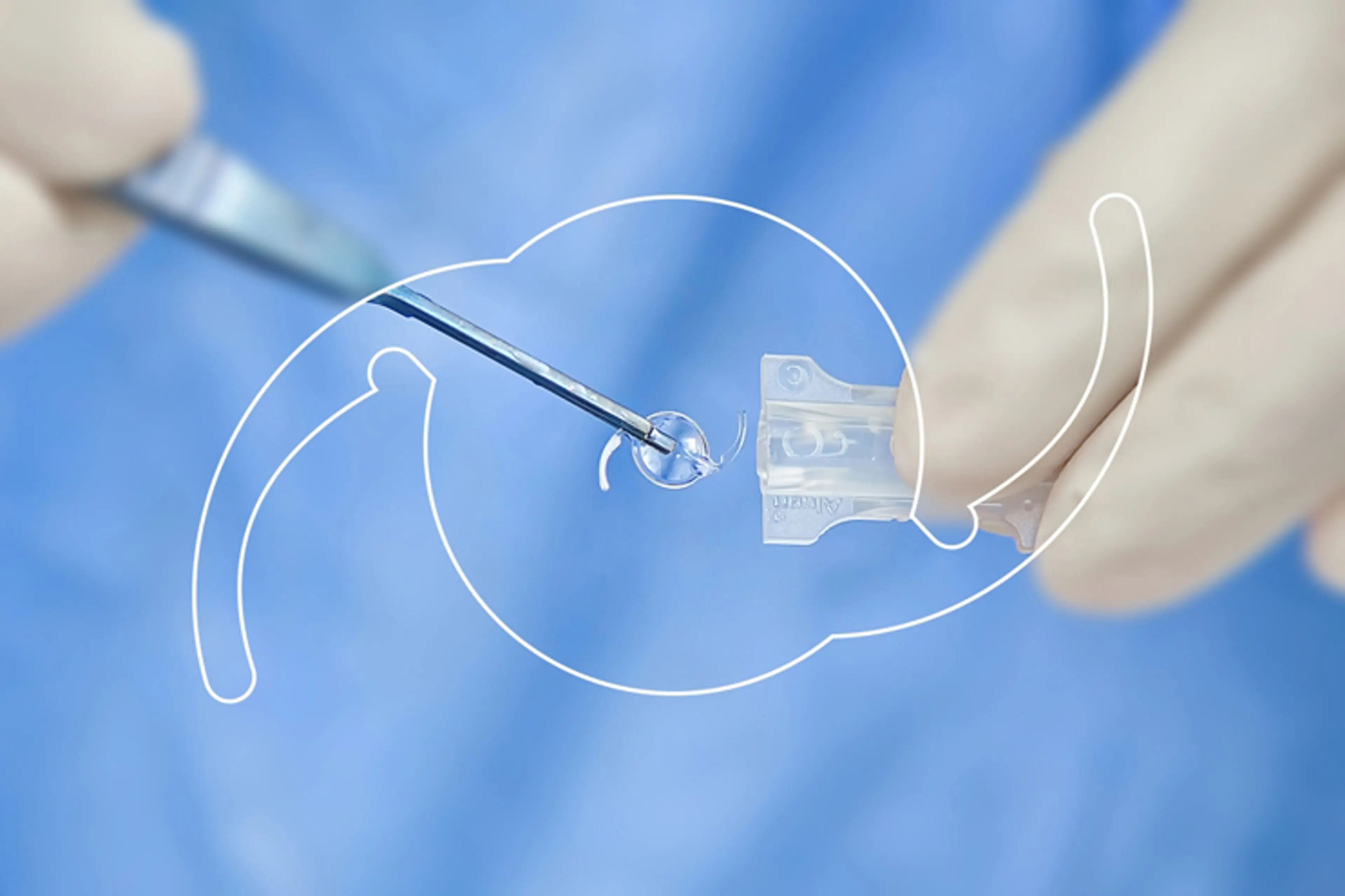
This is where IOLs come in. Intraocular lenses are artificial lenses that are surgically implanted into the eye during cataract surgery. They are designed to replace the eye’s cloudy natural lens, restoring clarity to the patient’s vision.
The beauty of IOLs is their versatility. While traditional IOLs only focus at a single distance, advancements in IOL technology have made it possible to choose lenses that can address a range of vision problems. This means that IOLs aren’t just a one-size-fits-all solution—they can be customized to suit the unique needs of each patient. Whether you're dealing with cataracts, presbyopia (age-related difficulty in seeing close objects), or refractive errors like astigmatism, there’s an IOL designed to help.
Presbyopia is a natural age-related condition where the eye’s lens loses flexibility, making it difficult to focus on close objects. This affects nearly everyone over the age of 40, and many people end up relying on reading glasses to compensate. Traditional monofocal IOLs, which focus at a single distance, didn’t address presbyopia, leaving patients with ongoing vision issues.
However, multifocal and accommodative IOLs have changed the game. These advanced IOLs are designed to allow the eye to focus on multiple distances, providing a more natural vision experience. With multifocal IOLs, you can see well at both near and far distances without the need for reading glasses or bifocals. Accommodative IOLs, on the other hand, are designed to move or change shape slightly in response to focusing, mimicking the natural focusing ability of the eye.
For patients with presbyopia, IOLs can provide the freedom from glasses and improve the overall quality of life.
Astigmatism is a condition where the cornea is irregularly shaped, leading to blurry or distorted vision. This can complicate both near and distance vision, even after cataract surgery if it’s not properly addressed.
Fortunately, toric IOLs have been designed specifically to correct astigmatism. These lenses are customized to match the patient’s corneal shape, ensuring that light enters the eye correctly, helping to improve the focus. Toric IOLs can correct significant amounts of astigmatism, meaning patients don’t need to rely on glasses for clear vision post-surgery.
If you have astigmatism, toric IOLs can give you the benefit of not just improved distance vision, but clearer overall sight.
Myopia (nearsightedness) and hyperopia (farsightedness) are common refractive errors. In the past, these issues were primarily corrected through glasses, contact lenses, or laser surgeries like LASIK. However, there are now premium IOLs that can correct these refractive errors at the same time as cataract surgery.
By choosing IOLs with customized power, your surgeon can help correct the refractive error while also treating the cataract. These IOLs, such as extended depth-of-focus (EDOF) lenses, give a broader focus range and provide excellent vision at near, intermediate, and far distances. They can even reduce the need for glasses after surgery.
For individuals with both cataracts and myopia or hyperopia, IOLs offer the benefit of not just treating the cataract but also improving overall refractive vision.
Monovision is a technique where one eye is corrected for distance vision and the other for near vision. This concept, which can sometimes be difficult to adapt to with contact lenses or glasses, works beautifully with IOL implants.
With monovision IOLs, one eye can be fitted with a monofocal or multifocal lens for distance vision, while the other is corrected for near vision. This allows for clearer vision across various ranges without relying on glasses. Some people may need time to adjust, but for many, the results are life-changing, reducing dependency on corrective eyewear.
When considering IOL implants, the major benefit is their versatility. Beyond treating cataracts, they offer solutions for a variety of refractive issues, improving both near and far vision. Here are some of the key advantages:
What many people overlook is that advanced IOLs are not just for those undergoing cataract surgery. They can be an option for those seeking long-term relief from refractive errors or those who want to improve their overall vision without relying on glasses or contact lenses. For some, it’s a life-changing solution, offering freedom and a better quality of life.
Led by Dr. Kim Jun-heon, a renowned ophthalmologist with extensive experience in refractive surgery, our clinic is at the forefront of cutting-edge technology for vision correction. Whether you’re interested in SMILE surgery, LASIK, or advanced cataract treatments with IOLs, Dr. Kim’s expertise ensures you receive the most accurate and effective treatment tailored to your unique needs. His meticulous approach and focus on personalized care make him a trusted leader in the field.
At Gangnam Joeunnun Vision Clinic, we don’t believe in a one-size-fits-all approach. Your eyes are unique, and your treatment should be too. We take the time to understand your lifestyle, vision goals, and health history to create a treatment plan that’s designed specifically for you. Whether you're looking for cataract surgery or addressing refractive errors, we guide you through the best options based on your needs.
We partner with leading brands like ZEISS, a global leader in ophthalmic technology, to offer the most advanced diagnostic equipment and surgical tools available. From the latest IOL implants to the most precise laser technology, our clinic ensures that you benefit from the most innovative solutions to achieve optimal results.
Your comfort and well-being are our top priorities. From the moment you step into our clinic, you'll experience a warm, caring environment where your questions are answered, and your concerns are addressed. We understand that surgery can be daunting, and we take the time to walk you through every step of the process. Our goal is to make you feel confident and at ease with your decision to undergo surgery.
With over 16 years of experience and a proven track record of successful surgeries, Gangnam Joeunnun Vision Clinic has built a reputation for delivering exceptional results. Our patients consistently report high satisfaction with their outcomes, and we are proud of the trust our community has placed in us.